
3D PRINTING WITH METAL
Metal 3D printing is one of the most exciting, fastest-growing areas in modern manufacturing.
Learn how it works, where it is used, and why it has become a full-blown industrial tool.
What is Metal Additive Manufacturing?
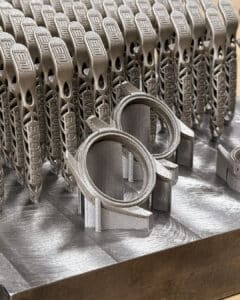
Metal 3D printing, also known as metal additive manufacturing, is the process of building metal parts layer by layer from a digital file. Unlike traditional machining, which cuts material away from a solid block, additive manufacturing builds parts up, only adding material where it is needed.
This approach is not only faster for low-volume production than traditional subtractive manufacturing. It opens up entirely new ways to design and build parts that were previously impossible or impractical to produce as a single piece.
Categories of Metal 3D Printing Technology
Metal additive manufacturing technologies can be grouped into three major categories. Each one has its own strengths and ideal use cases, from precision components to large-scale industrial parts.
Powder Bed Fusion
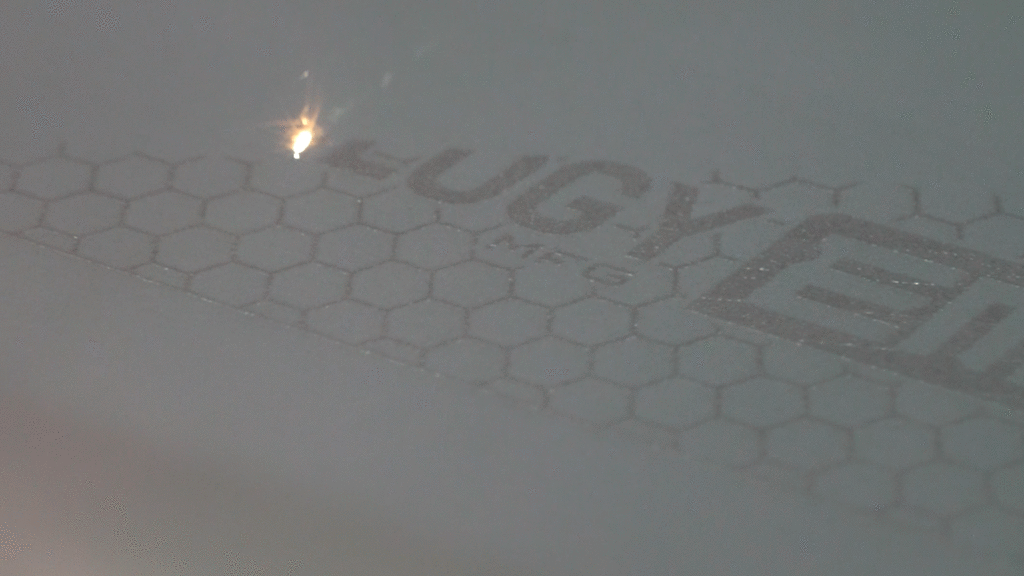
A thin layer of metal powder is spread across a build platform, then an energy source such as a laser or electron beam welds the layers together microscopically. Layer thicknesses range from 20 microns up to 120 microns or more. Technologies like DMLS, SLM, and binder jetting fall into this category.
Directed Energy Deposition
DED works by depositing and fusing material using a focused energy source in the open, not inside a powder bed. Blown powder and wire arc technologies are common here. Cold spray, or kinetic fusion, takes this further by blasting metal powders at supersonic speeds, fusing material without lasers or arcs.

Emerging Technologies
Technologies like meld manufacturing and ultrasonic additive manufacturing represent a growing category of specialized processes. These do not fit neatly into the other two buckets but serve very specific purposes in the market, from multi-material builds to heat-sensitive applications.
A Closer Look at Key Metal 3D Printing Processes
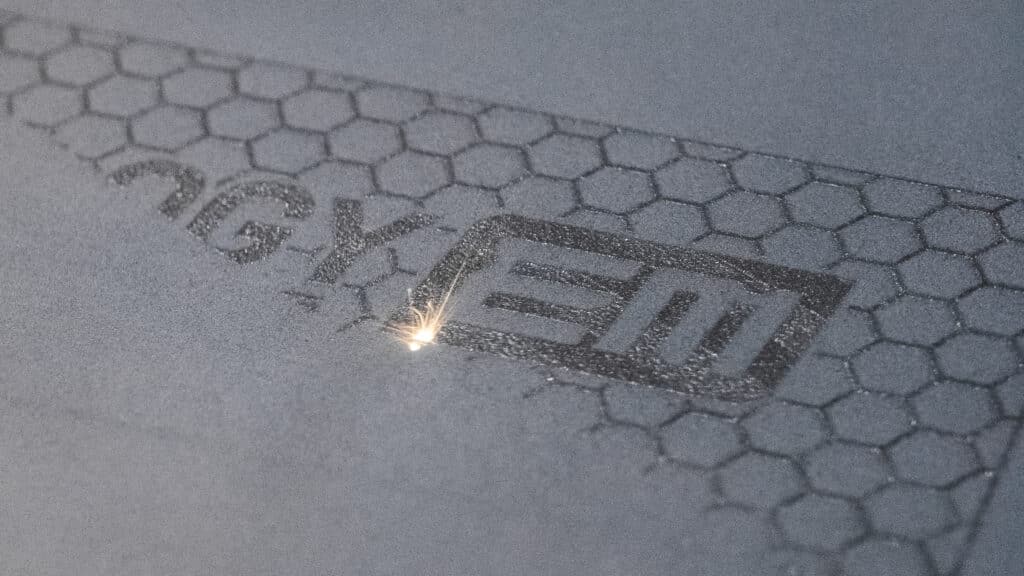
Powder bed fusion is the most established family of metal 3D printing technologies. The process works by brushing a thin layer of metal powder across the build area, then selectively melting it with a laser or electron beam. Build parameters including laser power, gas flow, and layer thickness all affect the final part quality.
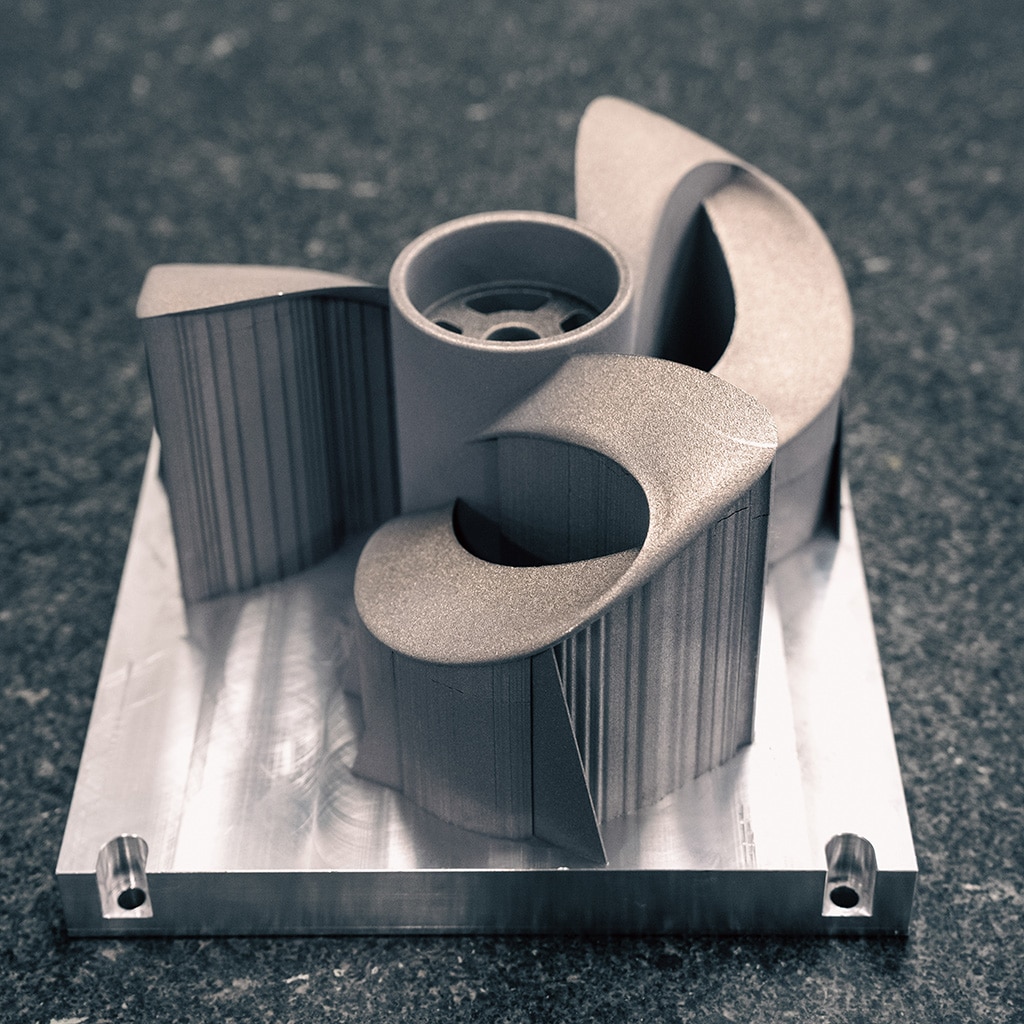
Directed energy deposition (DED) takes a fundamentally different approach. Material is deposited and fused simultaneously using a focused energy source out in the open. Laser, electron beam, and plasma arc variants are all common in production environments.
Binder jetting is a related powder bed process, but instead of melting the powder directly, a liquid binding agent is applied to bond the layers. The result is a “green part” that must be sintered in a furnace to remove the binder and achieve final density. A thermal shrinking occurs during this debinding process, which can be difficult to predict across complex geometries.
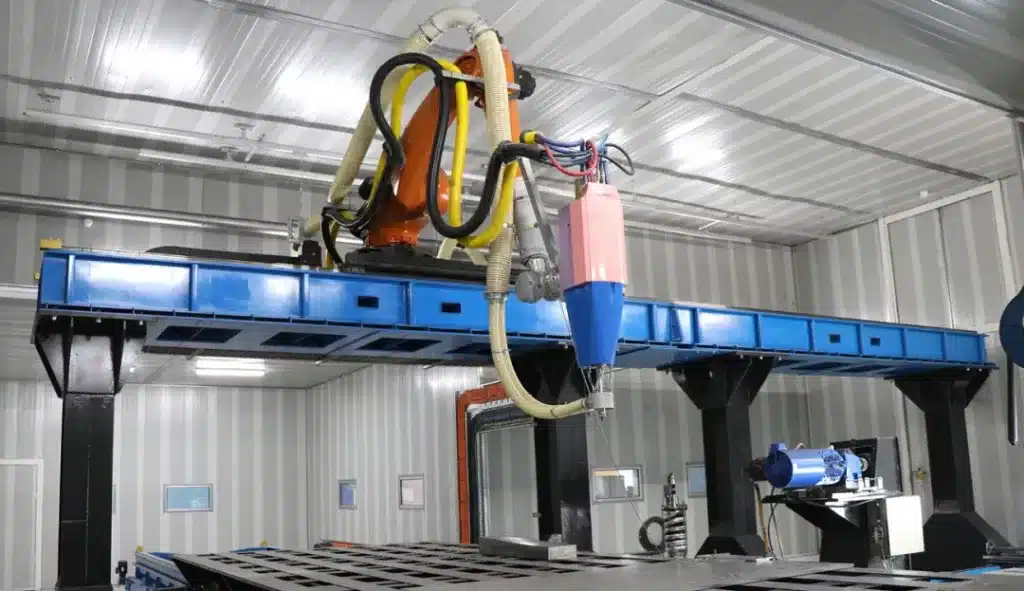
Cold spray (kinetic fusion) technology uses metal powders blasted at supersonic speeds, causing the material to bond to substrates through kinetic energy rather than heat. This makes it ideal for parts that require multiple material types, are sensitive to thermal distortion, or need large volumes of material deposited rapidly.
Design Freedom that Traditional Manufacturing cannot Match
Because of how metal additive manufacturing works at a fundamental level, designers and engineers are no longer limited by traditional tooling or subtractive processes. The result is the ability to create shapes and internal structures that are simply not possible to produce as a single part through conventional methods.
- Lattice structures for reducing weight while maintaining strength.
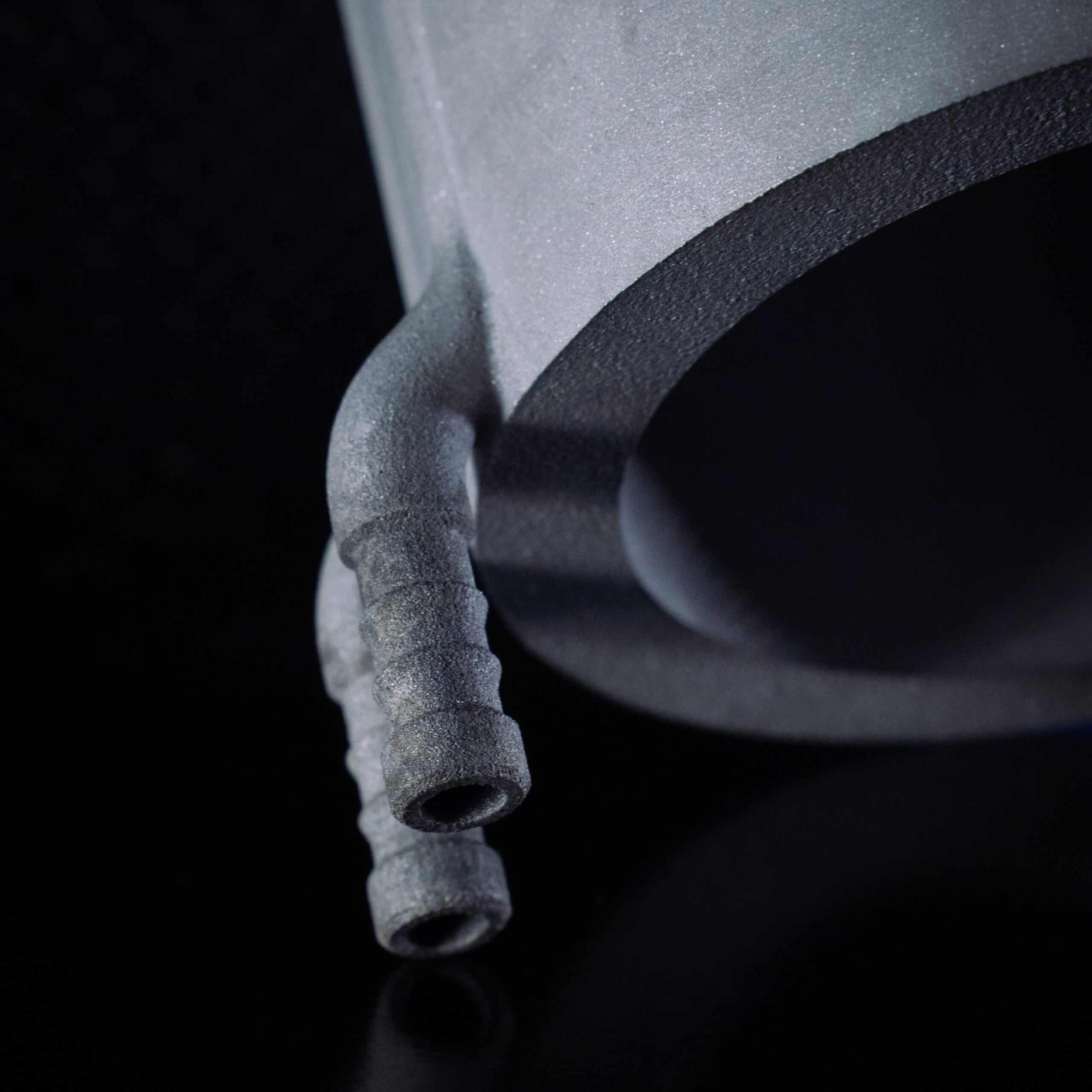
- Conformal cooling channels in injection molding tools for faster cycle times.
- Topology-optimized geometries for improved airflow or strength-to-weight ratios.
- Part consolidation that reduces assembly complexity, fastener count, and potential failure points.
For engineers looking to reduce weight, improve performance, or consolidate multiple components into a single build, metal additive manufacturing delivers advantages that conventional processes cannot replicate.
Where Metal 3D Printing is Transforming Industries
Formula One
Teams like McLaren, Mercedes, and Ferrari use metal additive manufacturing to produce race-ready components including titanium brake ducts, complex suspension mounts, and lightweight aerodynamic parts. If a car underperforms on Friday practice, the design team can print a new component overnight and have it bolted onto the car by Saturday qualifying. Traditional manufacturing cannot move that fast.
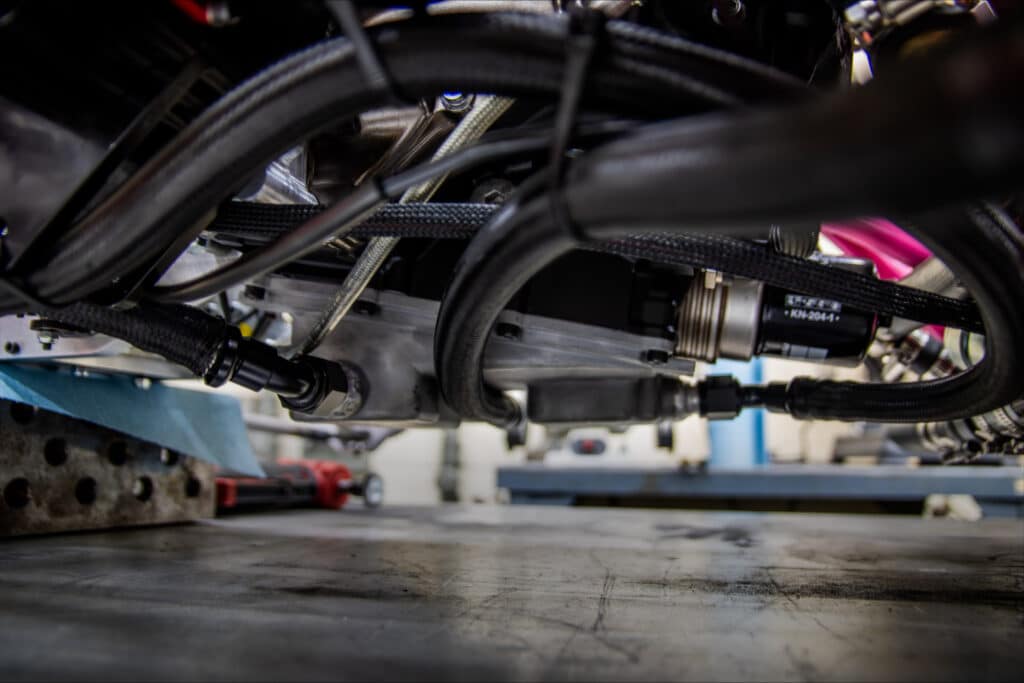
In aerospace, every gram counts. Metal 3D printing enables part consolidation that reduces failure points, eliminates fasteners, and can even reduce the number of inspections required. With materials like titanium and aluminum alloys, additive manufacturing delivers on both the mechanical demands and weight targets of modern flight systems.
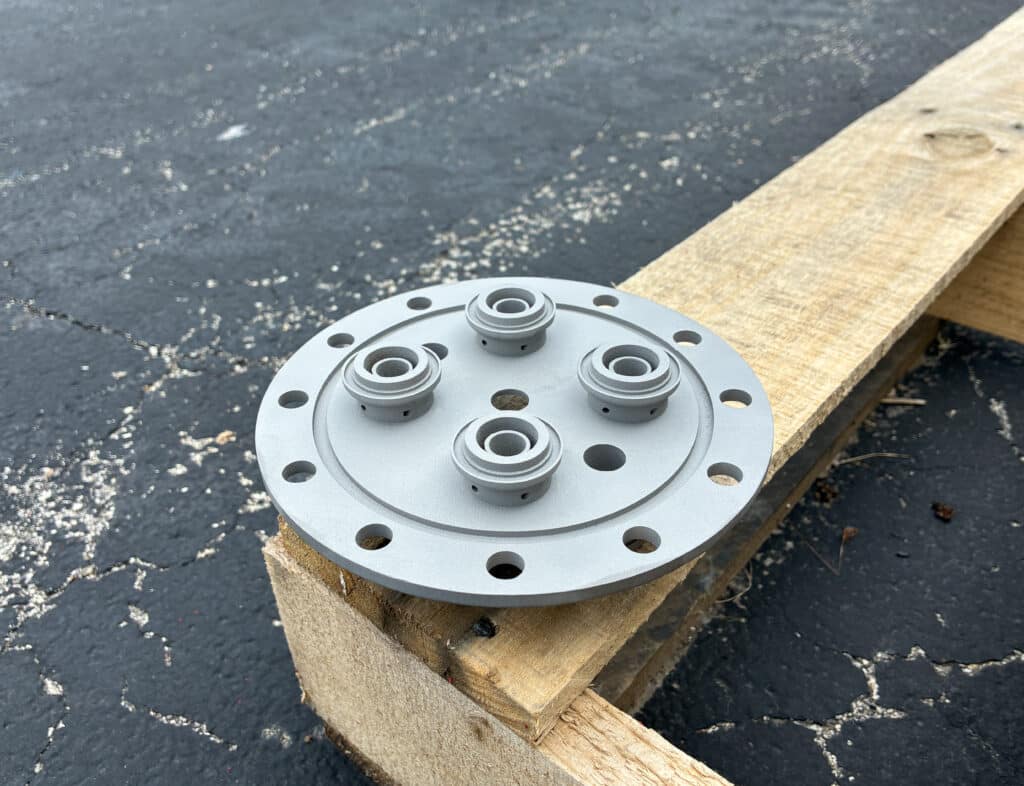
Additive manufacturing allows for patient-specific implants, custom surgical tools, and porous structures designed to promote tissue integration. Metal 3D printing is enabling a new generation of personalized medical devices that fit better, perform better, and improve patient outcomes.
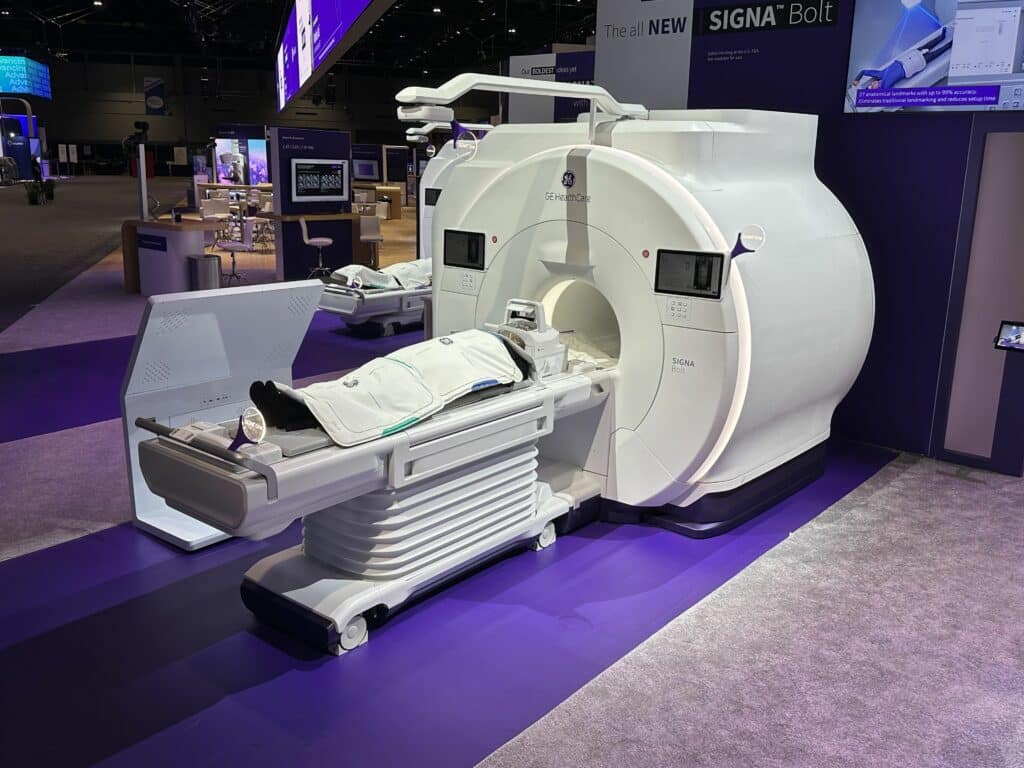
Metal additive manufacturing is a game changer for defense applications. From field repairs and spare part production to lightweight armor and component life extensions, the ability to print mission-critical metal parts on demand transforms supply chain logistics and operational readiness.
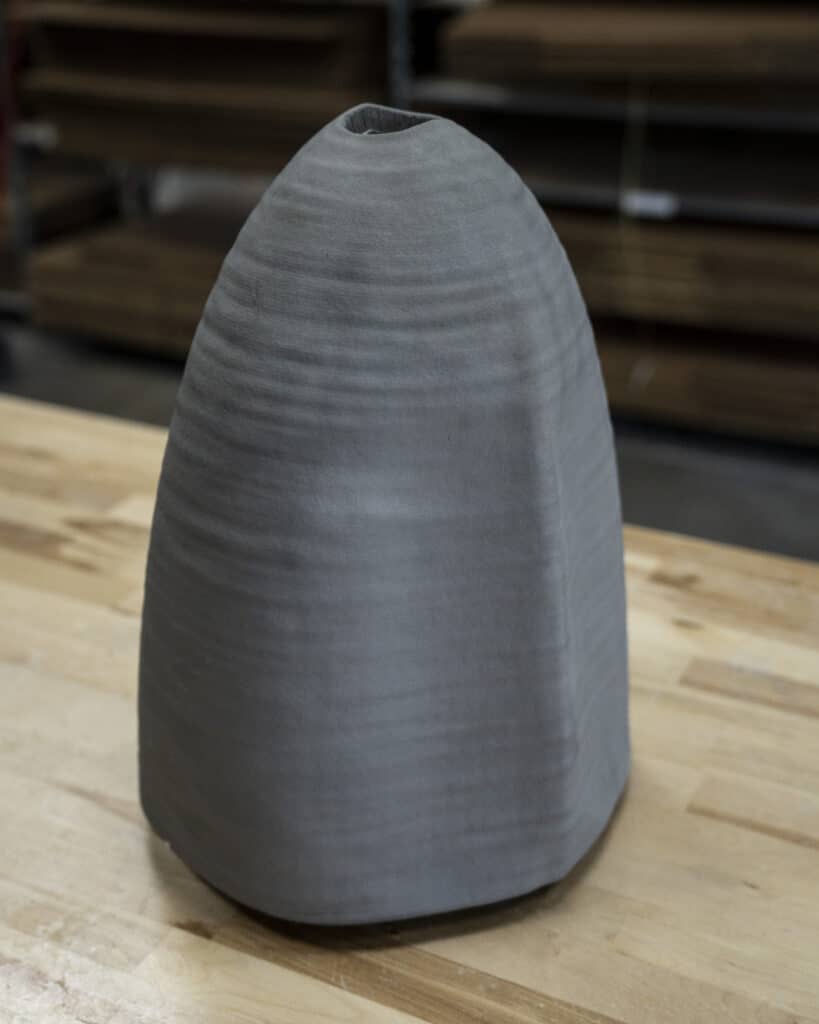
Ready to Explore Metal Additive Manufacturing?
Whether you are prototyping a new component, looking to scale your supply chain, or need expert guidance on your next project, Evology Manufacturing has a full ecosystem of technologies to bring your parts from digital file to physical reality.