





Faster Quotes
Send us your files and get a quote back in hours, not days, so program decisions do not wait on a supplier.

Additive manufacturing gives aerospace teams a faster path from design to part. Compared with casting, forging, or machining, it shortens lead times, removes most tooling cost, and produces lighter components and complex geometries that improve fuel efficiency and performance.
Advanced 3D Printing & Component Innovation
Additive manufacturing is changing how aircraft components get designed and built. It delivers lighter parts for better fuel efficiency, supports complex geometries that improve performance, and cuts lead times across design and production. Because there is no minimum order quantity, it fits rapid prototyping, low-volume aerospace parts, and custom mission-critical work.
We match each part to the right process, from metal 3D printing for structural components to DMLS for engine hardware and FDM tooling. See the full range on our manufacturing capabilities page.
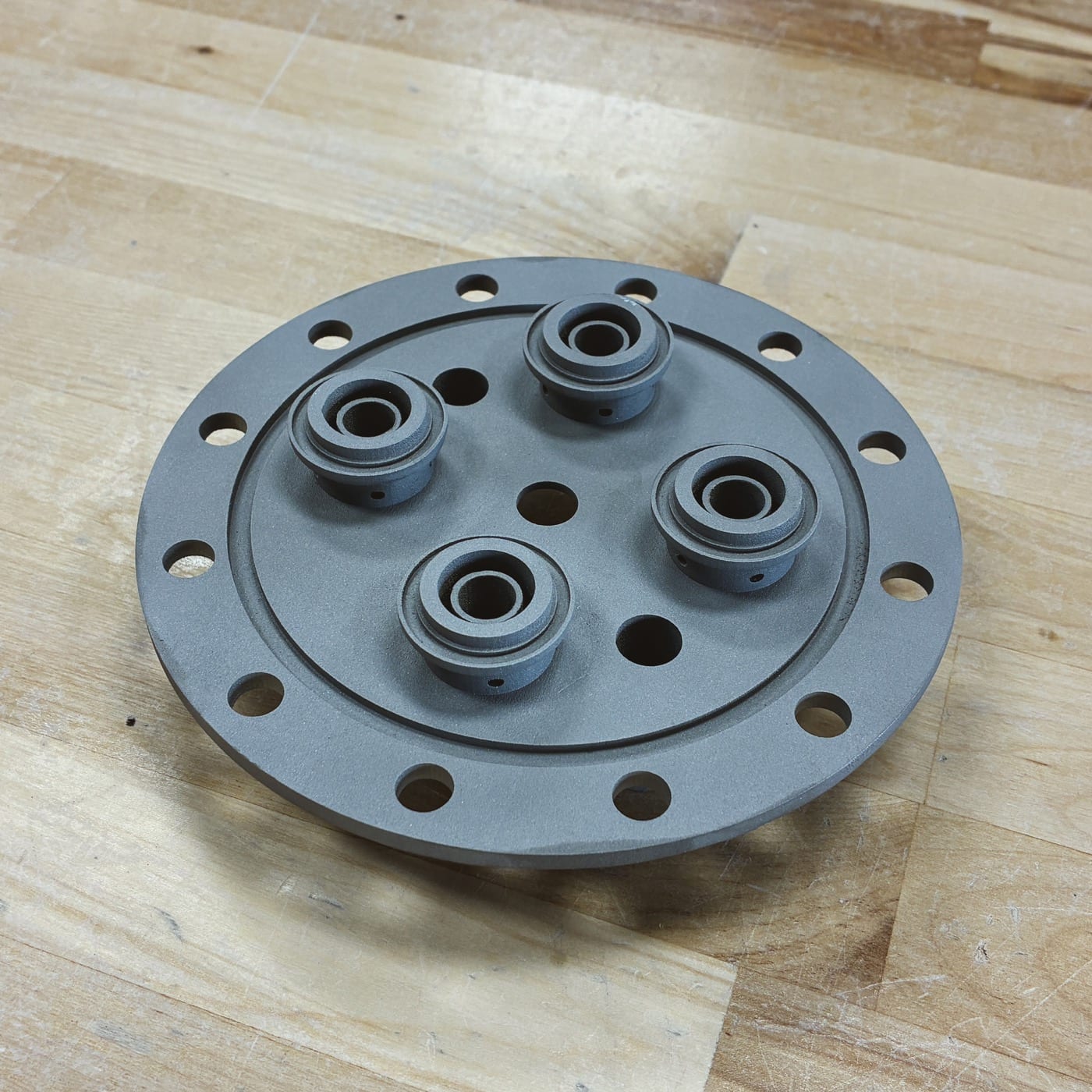
Quotes in hours, delivery in days. Here is what that looks like for rapid prototyping and low-volume aerospace production.
Send us your files and get a quote back in hours, not days, so program decisions do not wait on a supplier.
We scope each part against real machine capacity and commit to dates your build schedule can plan around.
Skipping tooling moves you from approved design to flight-ready prototypes far quicker than casting or forging.
Metal and polymer additive, machining, and sheet forming under one roof means the right process for each part.
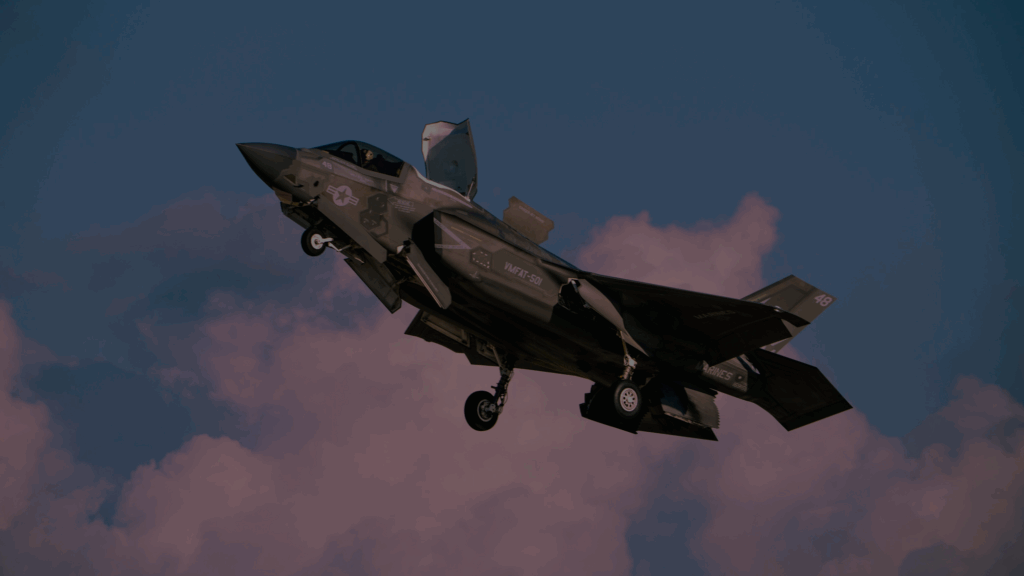
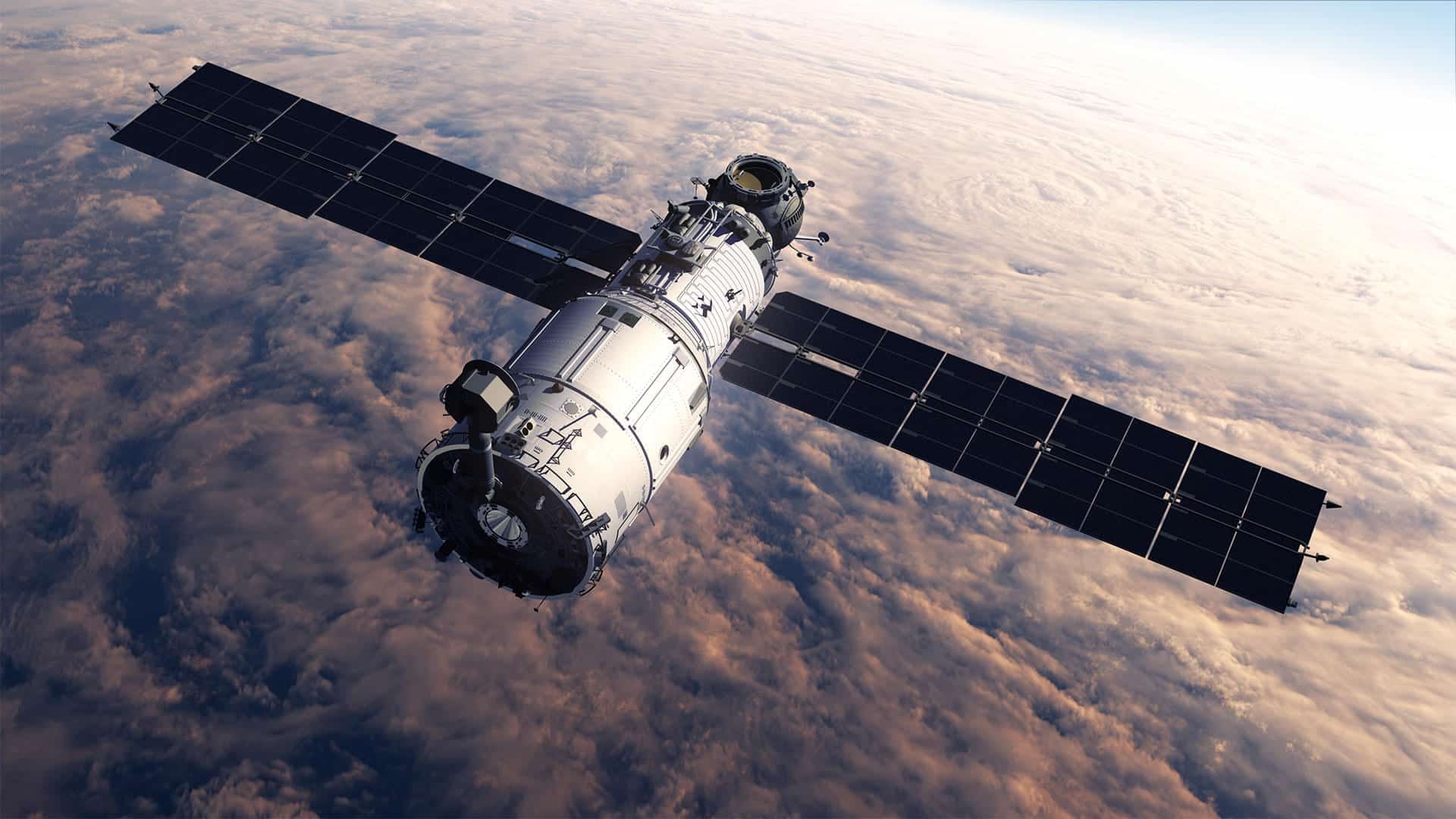
From lightweight structures to engine hardware and tooling, additive manufacturing supports a wide range of aerospace work.
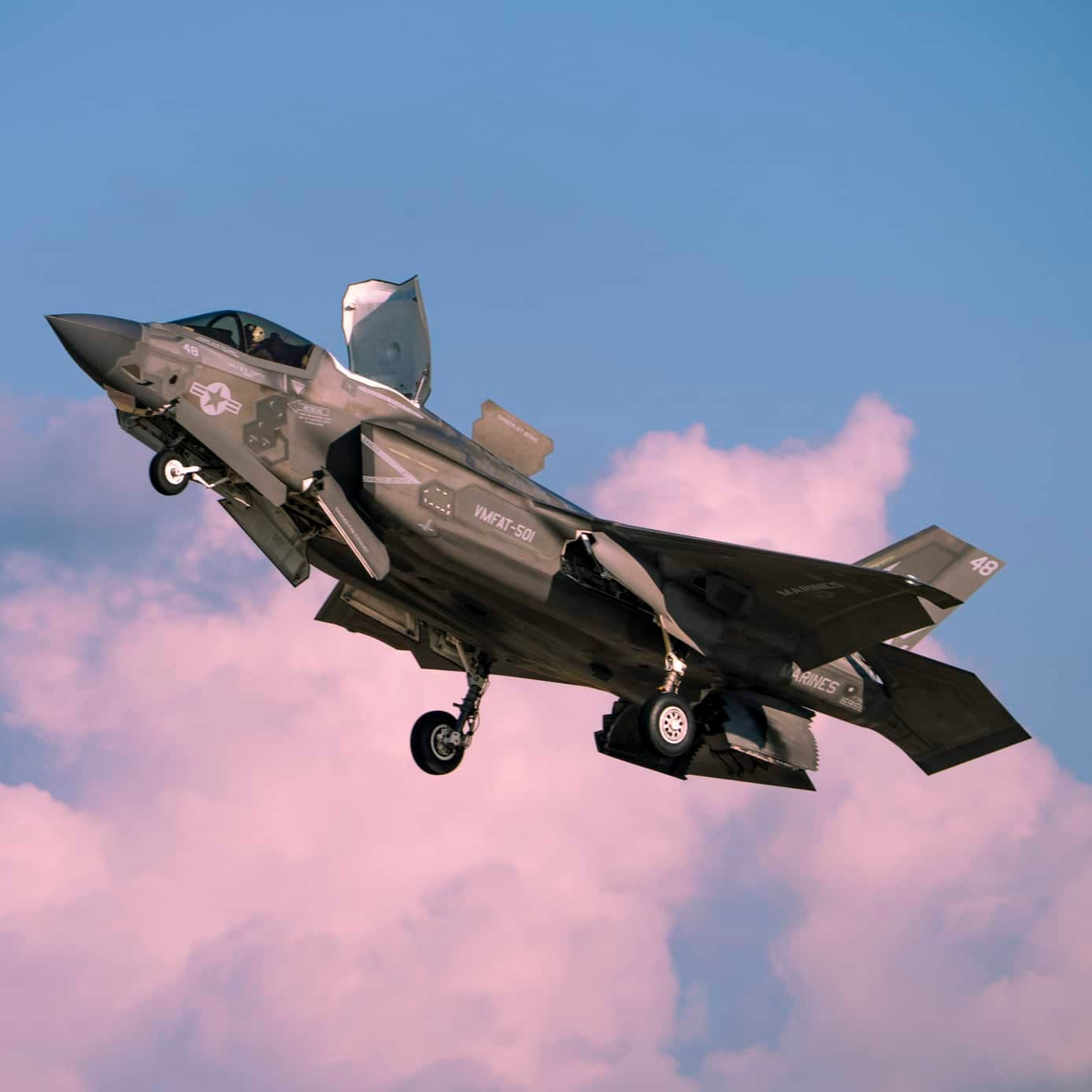
We have produced lightweight, high-strength components for both commercial and defense aircraft, from airframe brackets and structural supports to engine components and interior assemblies. Our work in Digital Sheet Metal Forming and metal additive scales the same processes from a single prototype to a low-volume run. Aviation parts are built to FAA-minded, ITAR-registered standards, so you can plan around the precision, reliability, and documentation each program requires.
Additive manufacturing in aviation, sometimes called aerospace 3D printing, builds parts layer by layer from metals, polymers, or composites. Aerospace teams use it for lightweight airframe brackets, engine components, interior assemblies, and complex ducting that would be hard to cast or machine. Evology supports this work with metal and polymer processes, holding tight tolerances on prototypes and low-volume runs.
It removes most of the tooling cost, cuts material waste, and shortens development cycles. Because there is no minimum order quantity, aerospace suppliers can build a single prototype or a short production run without paying for molds, dies, or fixtures first. That makes design iteration cheaper and faster, especially for parts that change often during qualification.
Yes. Aerospace additive work is governed by standards such as AS9100D and ISO 9001, along with ITAR registration for controlled programs. Process control, material traceability, and inspection are what make a printed part suitable for flight. Evology builds to these requirements and matches each part to a process that meets its strength, finish, and documentation needs.
Good candidates are parts where weight, complex geometry, or low volume make traditional methods expensive. Common examples include brackets and mounts, fuel nozzles, ducting and heat exchangers, interior cabin components, UAV structures, and tooling or jigs. Parts with internal channels or consolidated assemblies often benefit most, since printing can combine several machined pieces into one.
Evology combines decades of collective manufacturing experience with both additive and traditional processes under one roof. That means we can recommend metal additive, polymer printing, machining, or sheet forming based on the part rather than the equipment we happen to own. For aviation clients we work to FAA-minded, ITAR-registered standards and turn prototypes and low-volume production around on timelines you can plan against.
Looking for speed, precision, and design flexibility on your next aerospace part? Send us your files and we will scope the right process, recommend a material, and get you a quote.