



Rapid Quotes
Send us your files and get a quote back in hours, not days, so device decisions do not wait on a supplier.

Additive manufacturing gives medical teams a faster, more customizable path from design to device. Compared with casting or machining, it produces lighter, highly tailored parts with no tooling and no minimum order, which fits custom implants, surgical instruments, and clinical innovation where time and precision matter most.
Devices, Implants & Surgical Tools
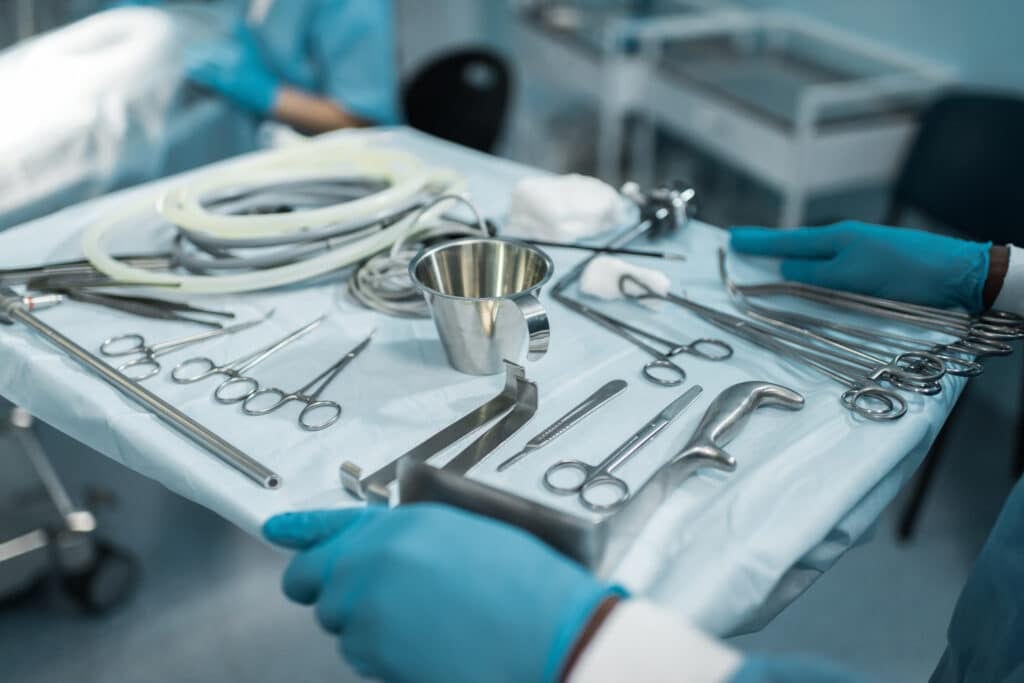
Additive manufacturing is reshaping how medical devices, surgical instruments, and patient-specific components get built. It delivers lighter, stronger, and highly tailored parts without expensive tooling, and because there is no minimum order, it fits custom implants, rapid prototyping, and low-volume production equally well.
Our toolkit covers DMLS for metal implants and instruments, FDM for large prototypes and fixtures, SLS for durable nylon devices and dental appliances, SLA for high-resolution models, and PolyJet for complex geometries, with in-house finishing and validation.
Quotes in hours, delivery in days. Here is what that looks like for medical prototyping and low-volume device production.
Send us your files and get a quote back in hours, not days, so device decisions do not wait on a supplier.
We scope each part against real machine capacity and commit to dates your development plan can rely on.
Skipping tooling moves you from approved design to validated parts far quicker than casting or machining.
Metal and polymer additive, machining, and finishing under one roof means the right process for each device.
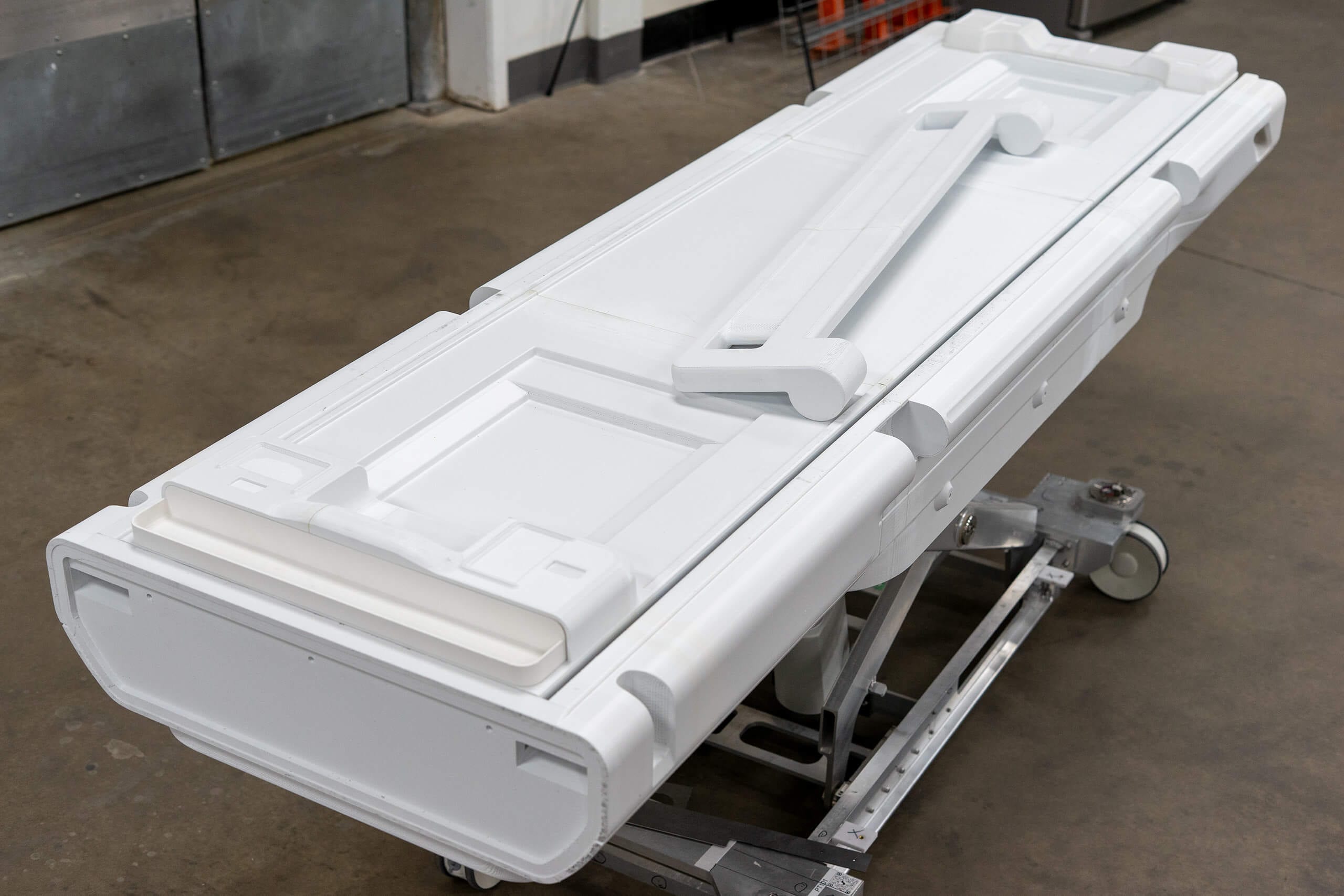
From patient-specific implants to imaging hardware and clinical fixtures, additive manufacturing supports a wide range of medical work.
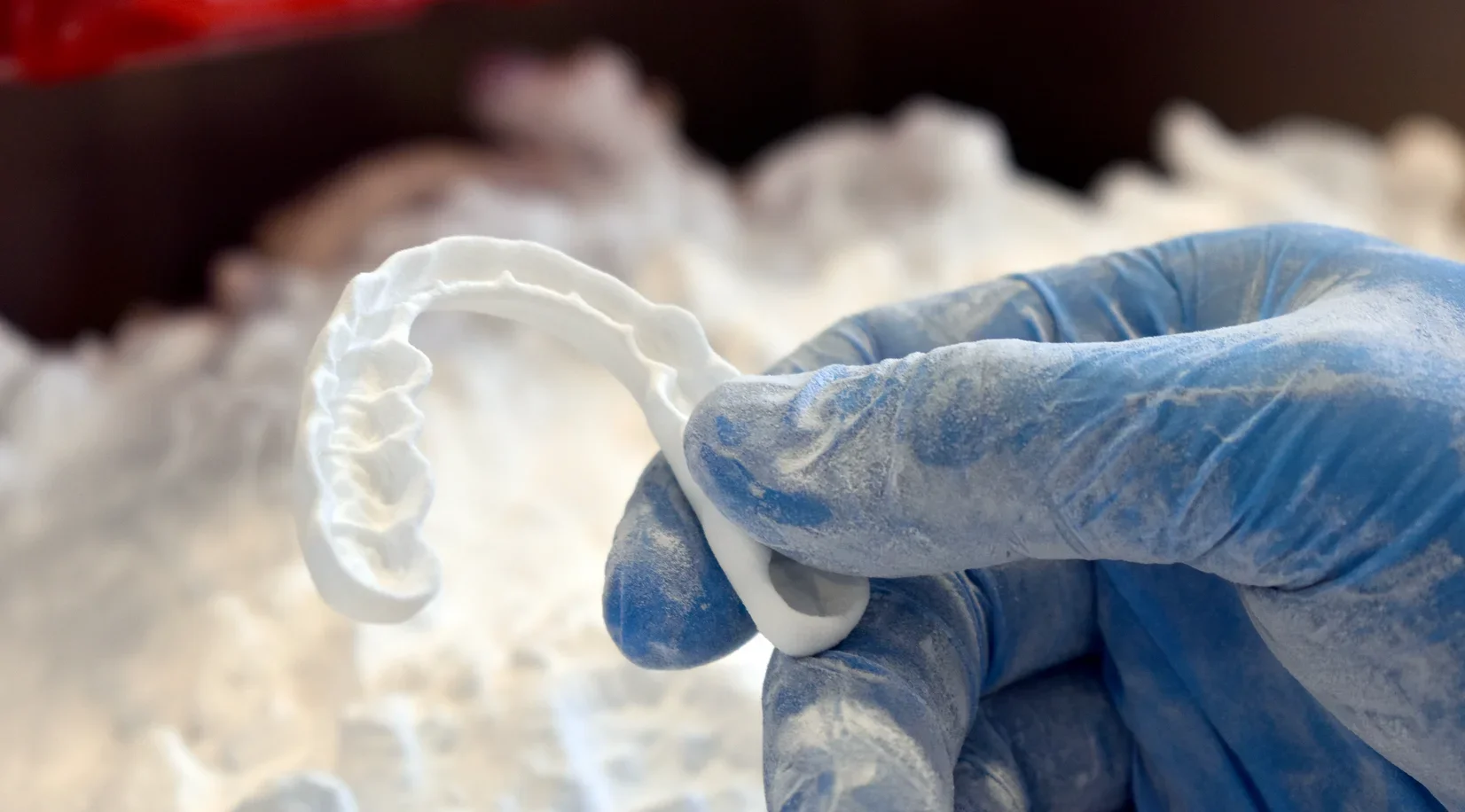
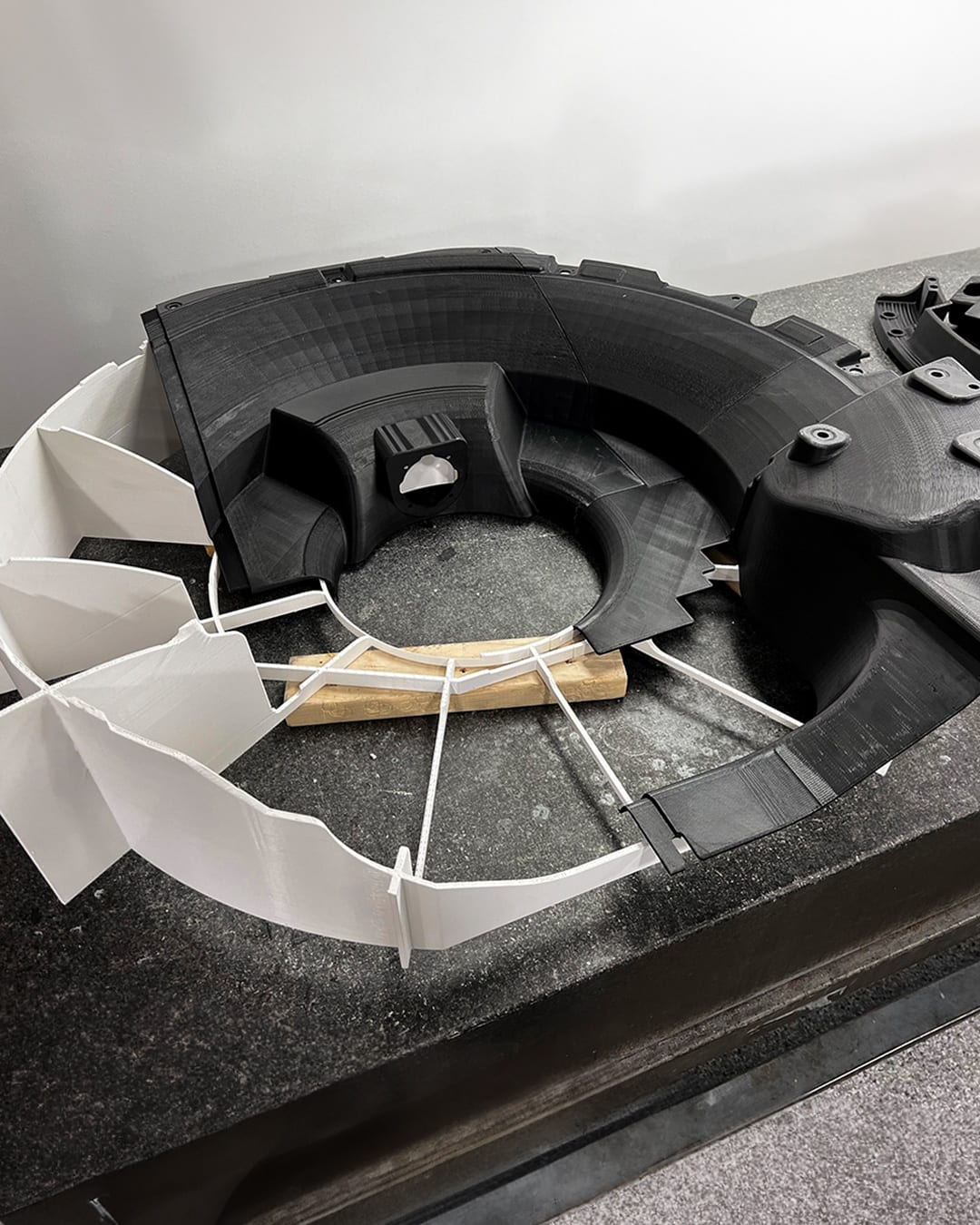
We pair metal additive with tool-less sheet forming to build medical-grade prototypes and production-ready components, which speeds design validation and opens up geometries that traditional manufacturing cannot match. Our work in Digital Sheet Metal Forming and metal 3D printing is held to ITAR-registered, aerospace-level discipline, so whether you are iterating a surgical tool or scaling a new device, you get FDA-conscious support from prototype through production.
Yes. It is used across the medical field, from prosthetics and surgical guides to imaging equipment housings and anatomical models. Manufacturers rely on it to build patient-specific parts, iterate device designs quickly, and produce low-volume components without tooling.
Yes. DMLS metals such as titanium and select polymers meet biocompatibility requirements for implants and surgical applications. The right material depends on the device, its contact with the body, and the regulatory path, which is why we match each part to a process and material that fit its requirements.
Common uses include surgical planning and anatomical models, orthopedic implants and prosthetics, custom surgical instruments and drill guides, sterilization trays and fixtures, and housings for imaging systems such as MRI. It fits both early prototyping and low-volume production of finished devices.
It shortens time to market, removes tooling cost, and makes patient-specific and low-volume parts practical. Because designs can change between builds without new molds, teams can iterate a device or instrument quickly and move from prototype to production on a predictable timeline.
Looking for a partner who can deliver healthcare-ready parts with speed and precision? Send us your files and we will scope the right process, recommend a material, and get you a quote.