




Orientation and Supports
Part orientation affects support requirements and the surfaces that need cleanup, so it’s helpful to identify critical faces and mating features early in build preparation.

Complex metal parts shouldn't force you to compromise your design just to get them made. Evology Manufacturing's EOS M 400-4 expands our metal 3D printing capabilities for larger components and production batches. Using Direct Metal Laser Sintering (DMLS), it builds parts from metal powder, layer by layer, directly from your CAD model.
Bring us your design, material requirements, and production goals, and we'll help you determine where metal additive manufacturing fits.
Some parts are straightforward to machine, while others need internal passages, complex contours, or multiple components joined into one assembly. Metal 3D printing gives you another way to approach those designs, without first investing in casting molds.
The right choice depends on the complete part, including quantity, material, finishing, and inspection. We'll review those requirements with you so the manufacturing process supports the application.
Our four-laser system adds room for larger designs and multiple parts within a single build.
The published build envelope includes the build platform, but actual part fit also depends on orientation, supports, and build preparation. Send us your CAD file so we can check usable space for your design.
EOS lists aluminum, stainless steel, tool steel, nickel alloy, and titanium options for the M 400-4 platform. The right choice depends on the properties your application needs and the processes available for your job.
Ask us to confirm your alloy and its availability on this machine.
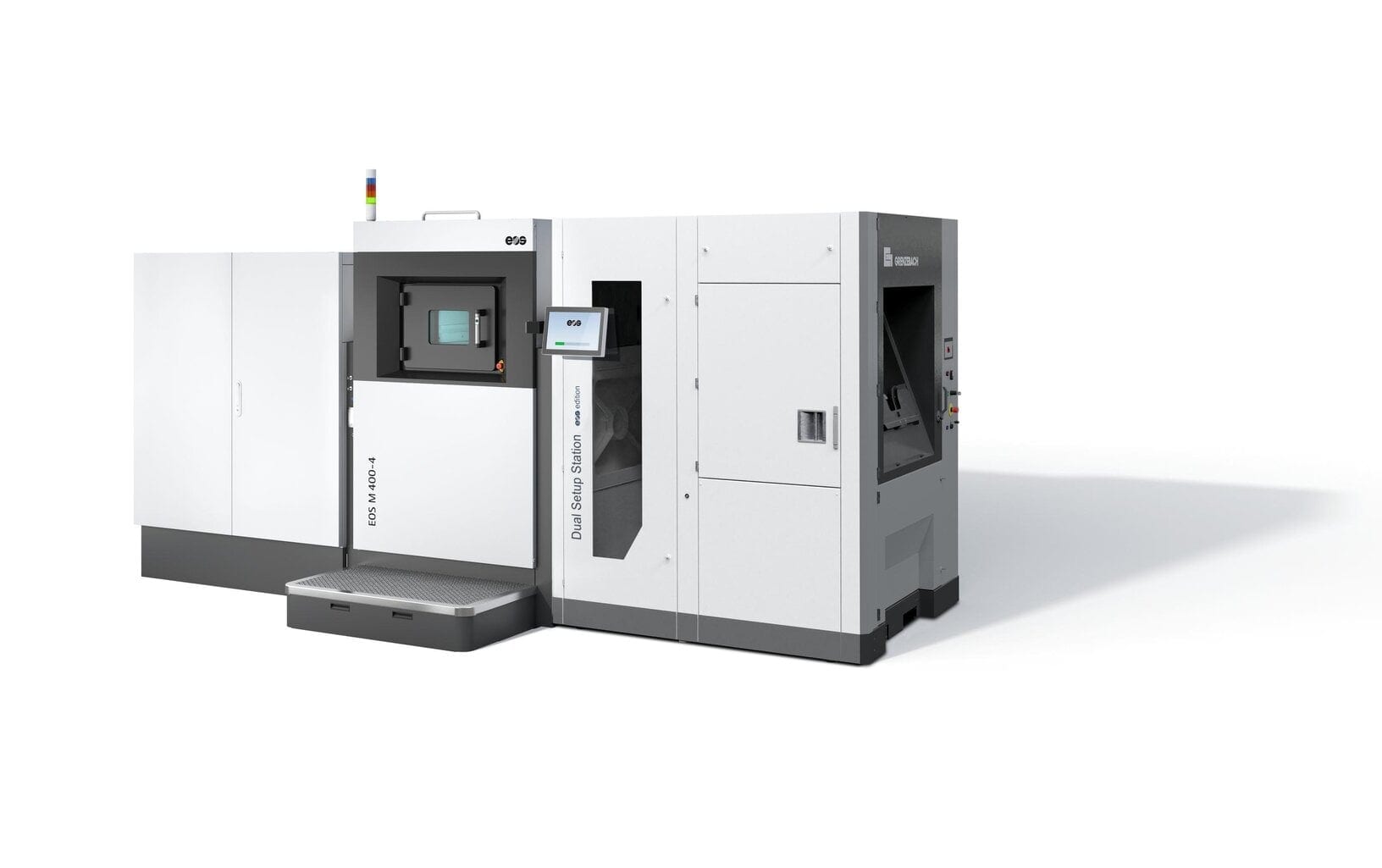
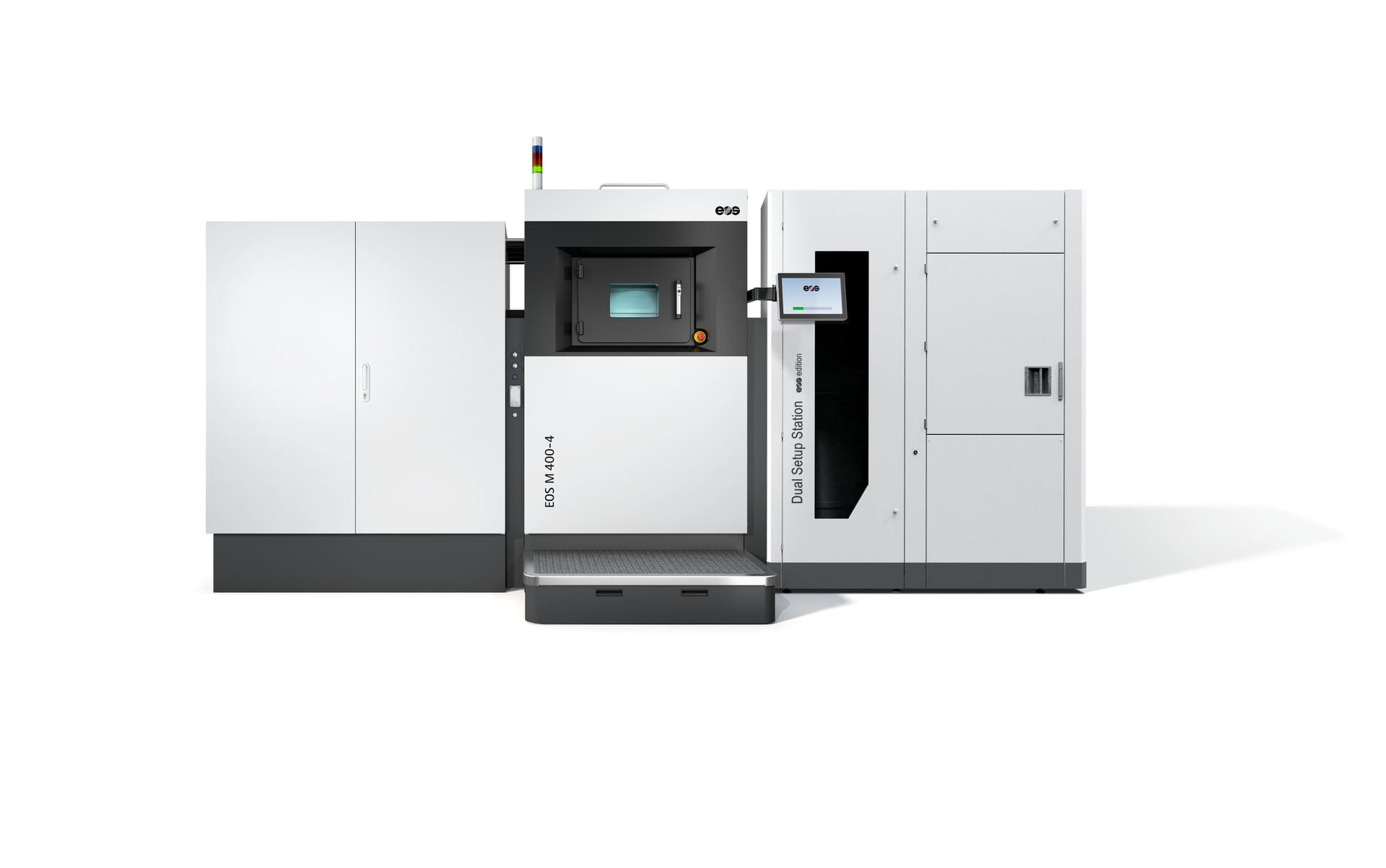
Our EOS M 400-4 is paired with the Grenzebach Dual Setup Station — EOS Edition, the dual setup and powder-handling workflow supporting this installation.
While a completed build cools and is unpacked, the next prepared job can start automatically. This separates printing from work that would otherwise keep the machine waiting between builds.
Delivery timing still depends on the build, material, finishing requirements, and schedule. We'll confirm those details when we quote your part.
A successful build starts with the finished part in mind. These considerations help us evaluate your design before production:
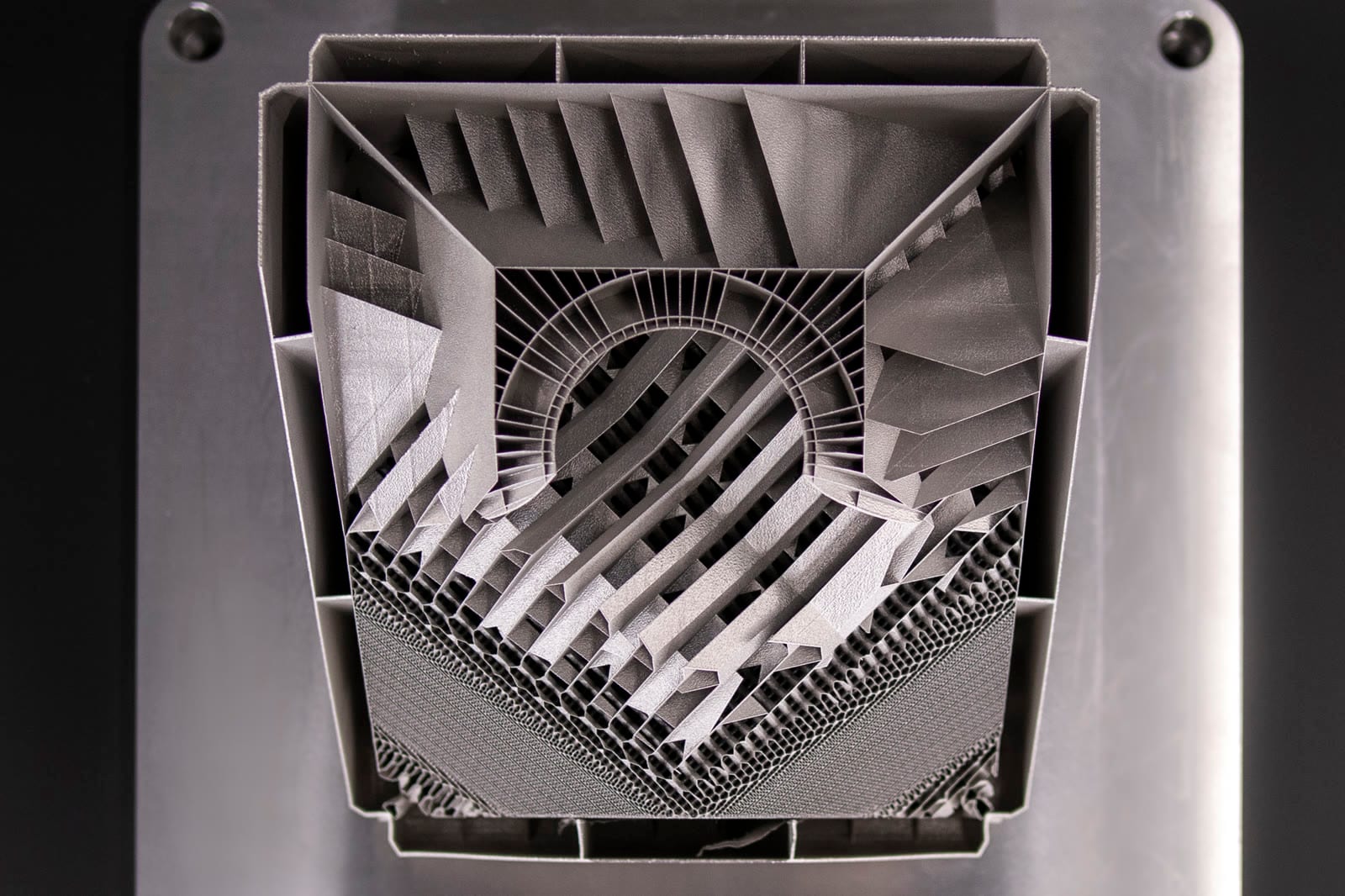
Part orientation affects support requirements and the surfaces that need cleanup, so it’s helpful to identify critical faces and mating features early in build preparation.
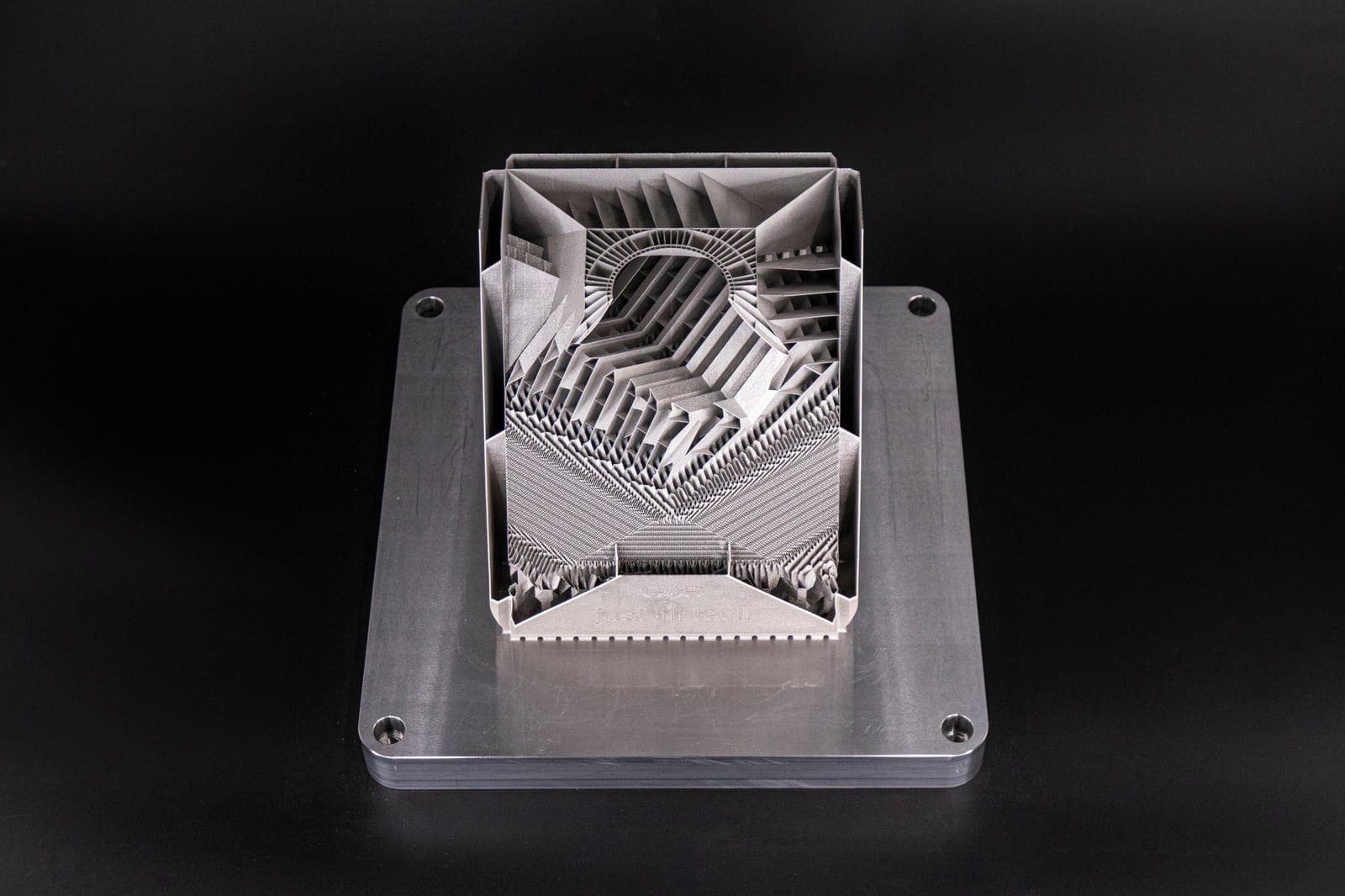
Internal passages need a practical way to remove unfused powder, so include access for cleaning and flag enclosed cavities or difficult-to-reach channels for review.

Specify required tolerances, surface finishes, and inspection criteria on your drawing. Machining or other finishing may be needed after printing, especially at sealing surfaces and precision interfaces. We’ll scope those operations as part of the job.
Use these starting points to decide what to send for review. They describe potential process fit, not a guarantee of printability.
Complex components that are difficult to reach with cutting tools, assemblies that could be consolidated into fewer pieces, and functional prototypes that need to be tested in metal.
Thin walls, substantial overhangs, enclosed passages, and parts approaching the build envelope need a closer look, so include drawings and application details to help us evaluate the full manufacturing plan.
Simple parts made in high quantities may have a stronger business case for machining or casting. We’ll help you compare options based on what the finished part needs to do.
Potential applications include manifolds with internal flow paths, compact heat exchangers, tooling inserts, lightweight brackets, and functional prototypes. Each requires an application-specific review of geometry, material, and finishing.
Have an assembly you'd like to simplify or a difficult part to manufacture? Share the current design and the problem you're trying to solve.
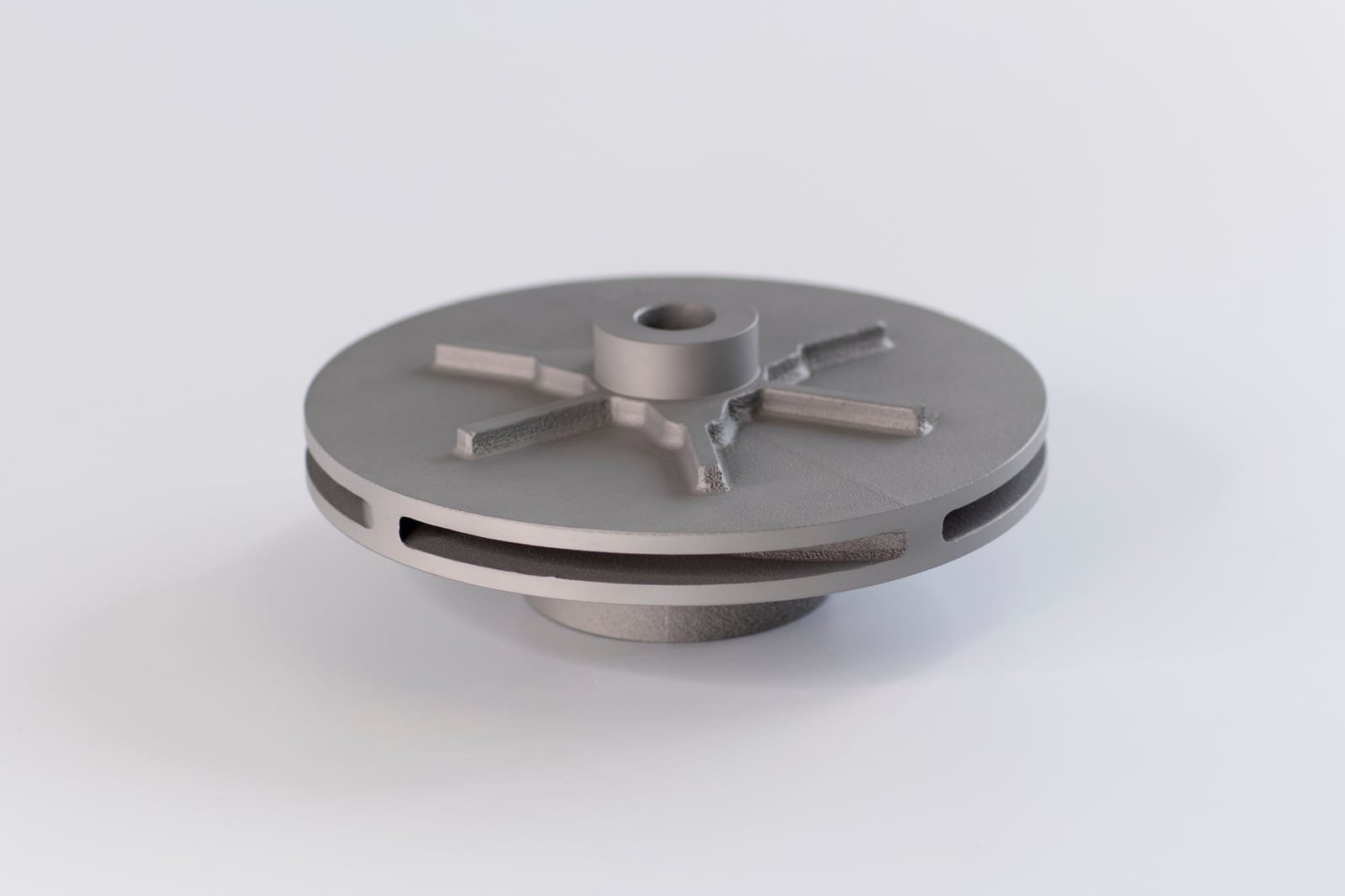
Examples printed on the EOS M 400-4 platform:
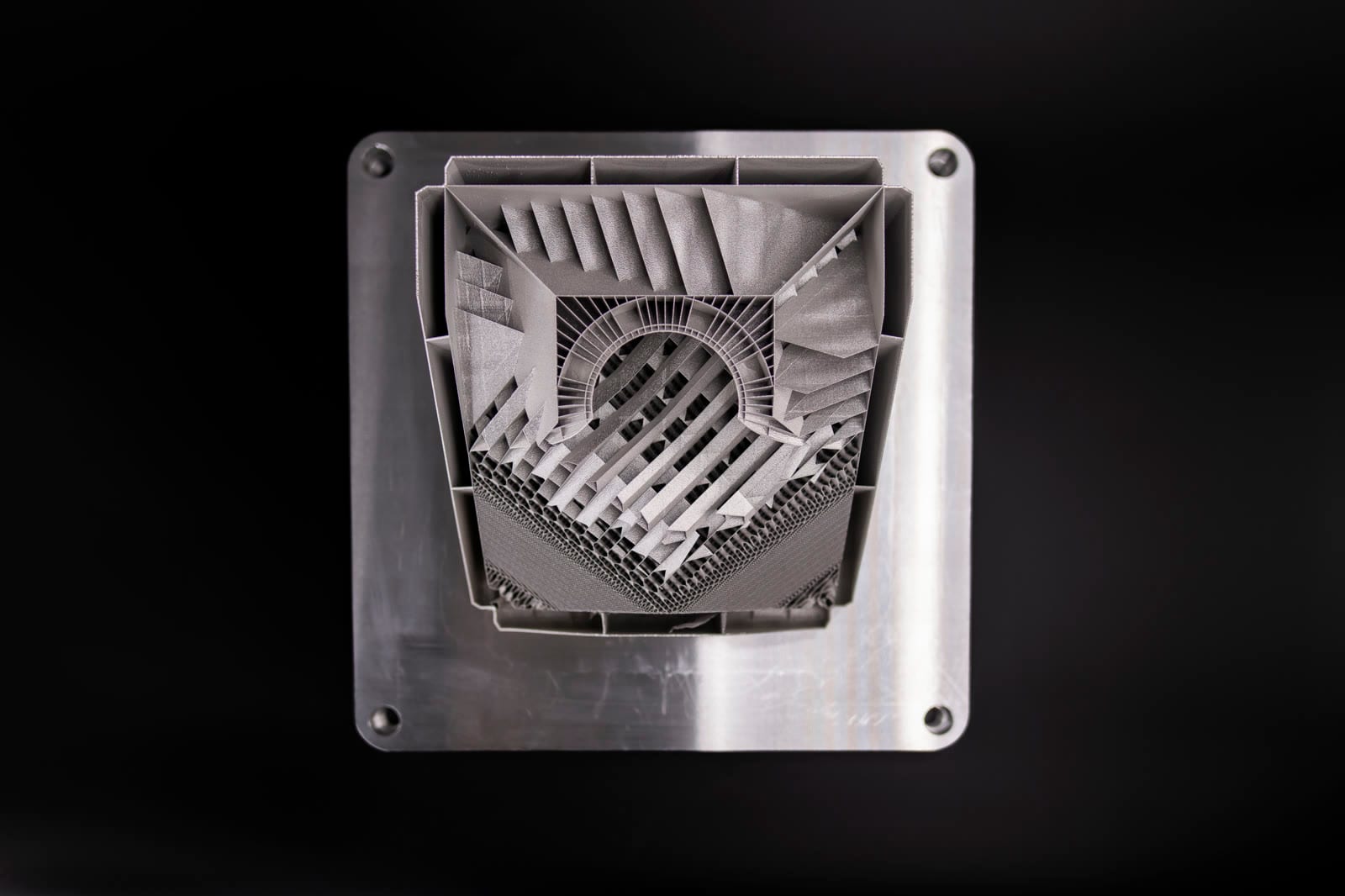
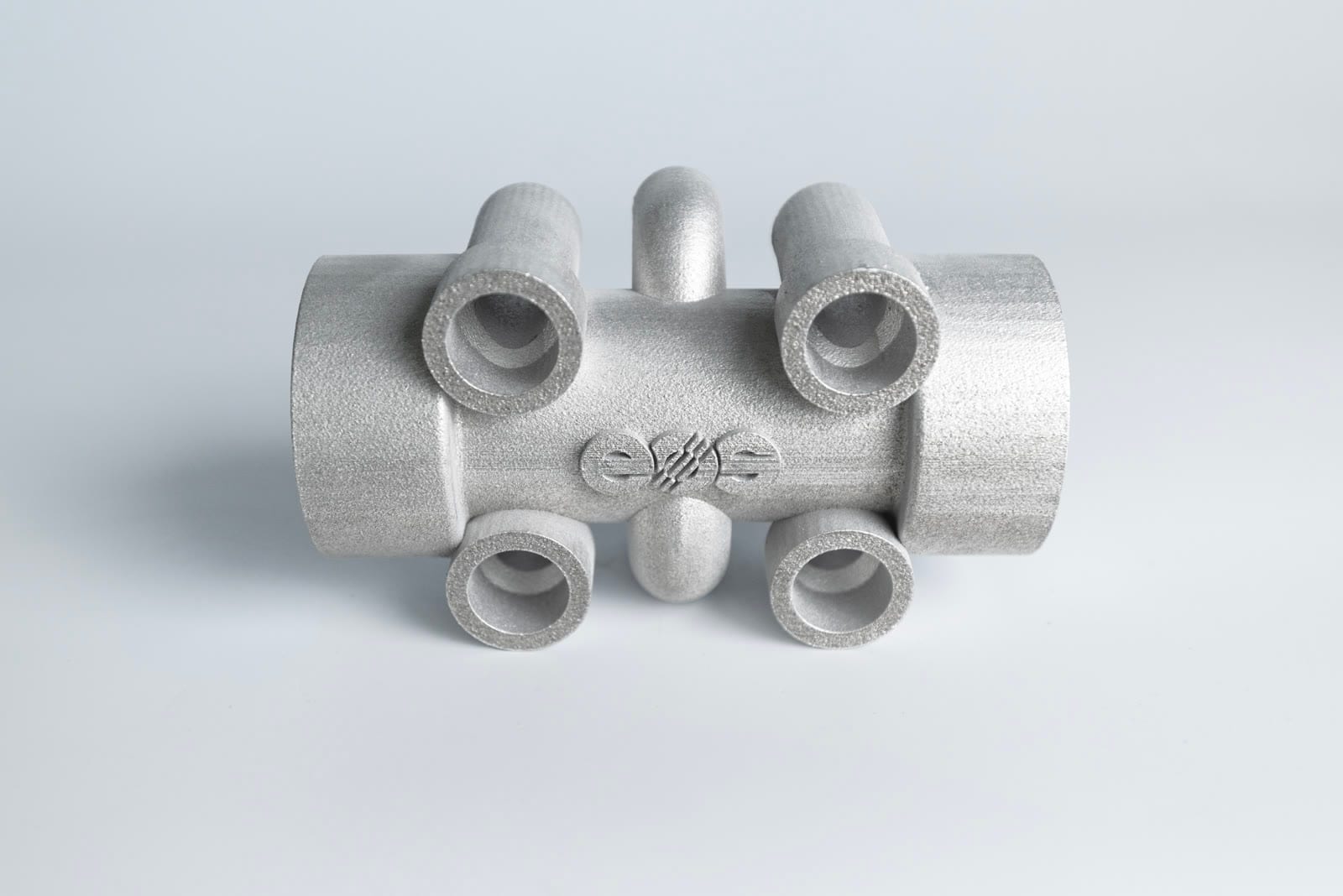
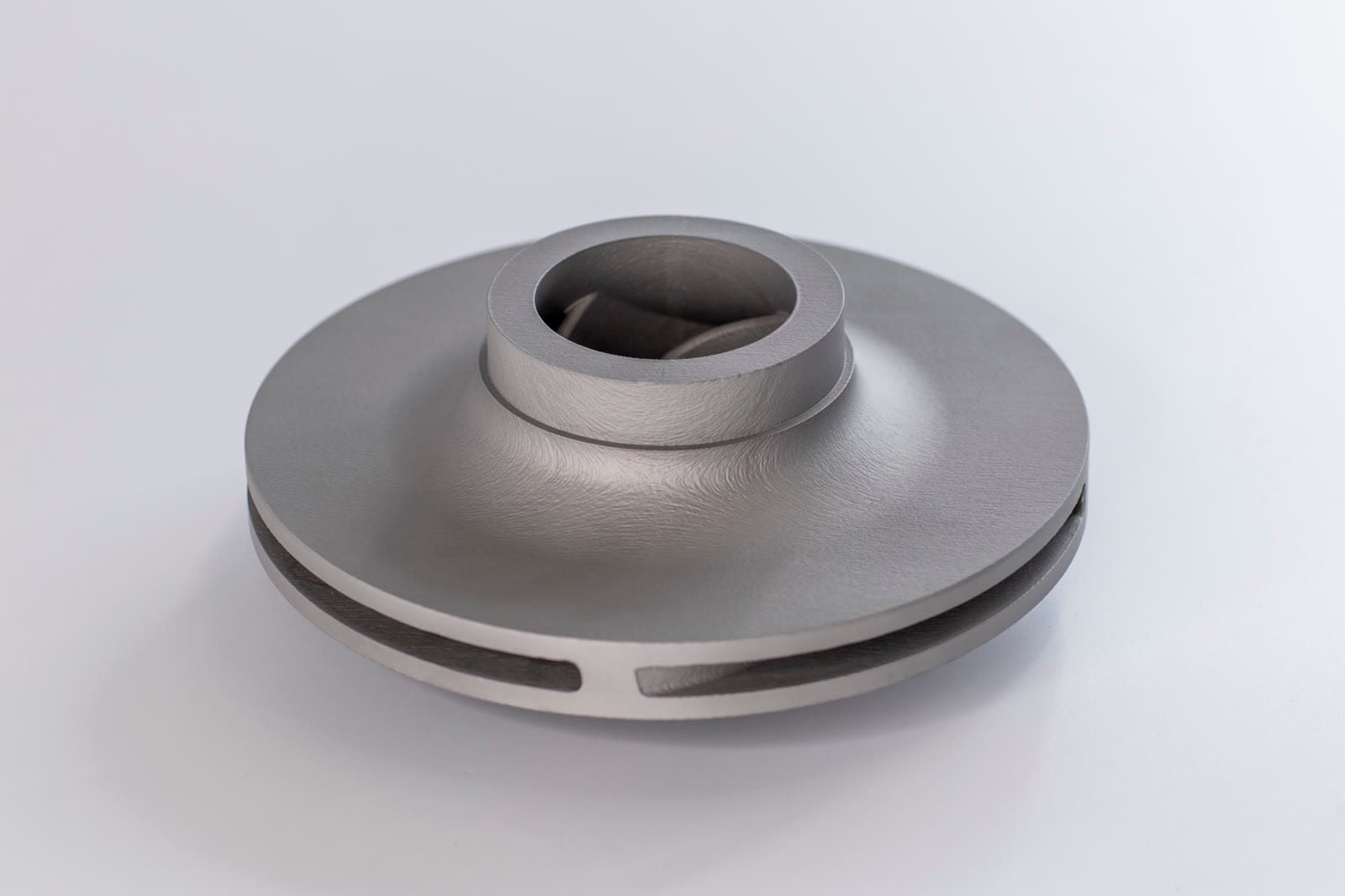
Members of the Evology team began working with DMLS in 2004. The EOS M 400-4 adds four-laser capacity and a 400 mm build volume at our shop in Waukesha, Wisconsin.
Whether you're evaluating a first prototype or planning repeat orders, we'll start with your requirements and work through the manufacturing details. Explore our DMLS services and other manufacturing capabilities to see how additive and traditional processes can support your project.
The EOS M 400-4 is an industrial metal 3D printer with four lasers, and it uses a laser powder bed fusion process, marketed by EOS as DMLS, to make metal components from digital designs.
The nominal build volume is 400 × 400 × 400 mm, including the build platform. Usable part dimensions depend on orientation and supports, so we’ll review your model to confirm fit.
The Grenzebach Dual Setup Station automates the exchange between prepared build jobs, allowing printing to continue while the previous job is handled outside the printer. Its purpose is to reduce non-productive time between builds.
Material availability is confirmed during quoting. Send us the required alloy, operating conditions, and any material specifications so we can recommend a suitable manufacturing route.
Achievable tolerances depend on the geometry, material, orientation, and finishing plan. Include your drawing with the CAD model so we can assess critical dimensions and identify any secondary operations.
We can review both one-off prototypes and recurring production requirements. Let us know your initial quantity, expected future demand, and testing or inspection needs so we can quote the right scope.
Send your CAD model, drawing if available, quantity, required material, critical tolerances, and target delivery date. Include any finishing and documentation requirements. We’ll review the details and follow up with questions before finalizing the quote.
Let's find the right way to make it. Send us your design and we'll review it for the EOS M 400-4, confirm material and finishing requirements, and provide a quote with a project-specific timeline.
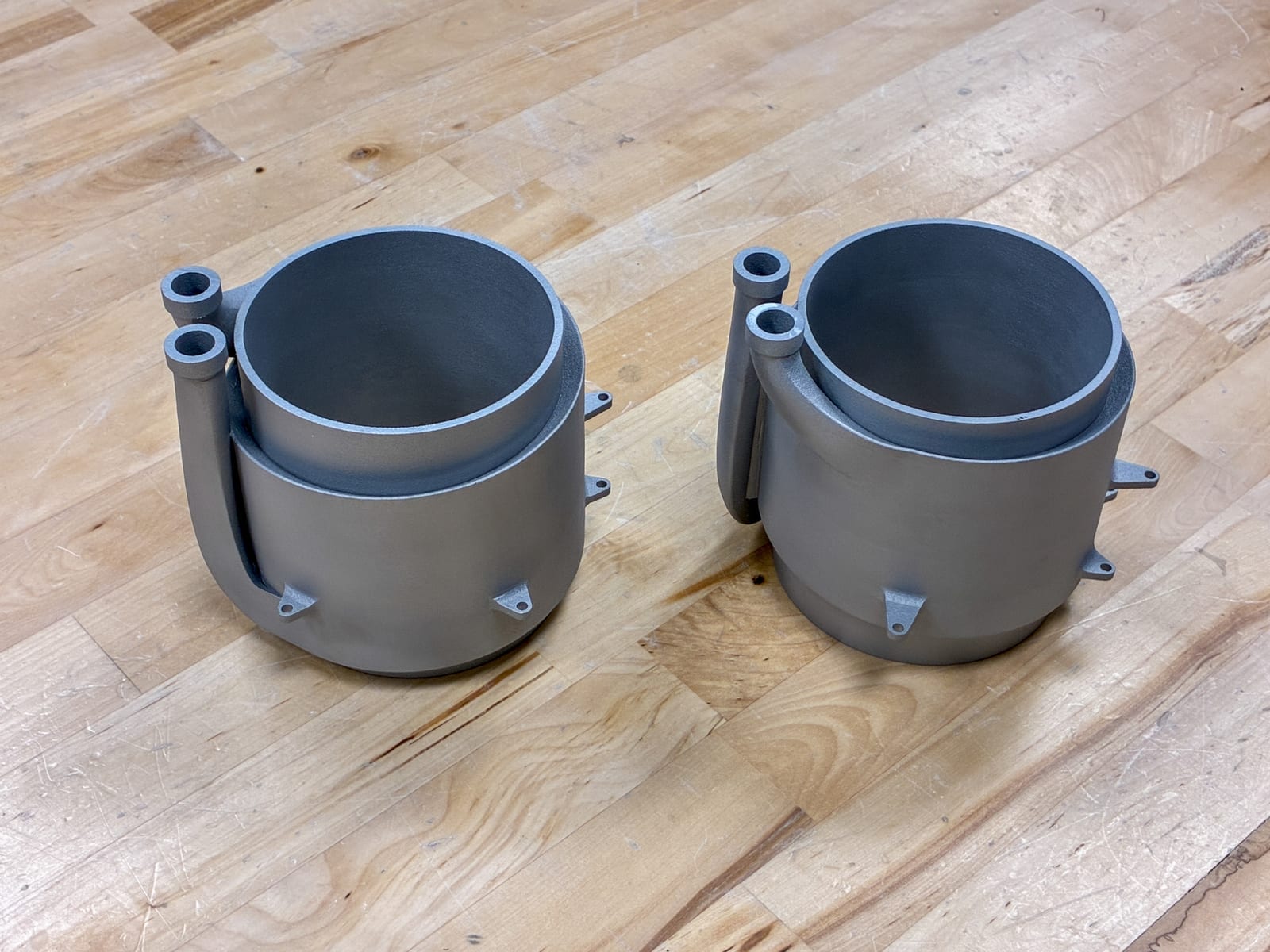
Motorsport · DMLS
Illini Electric Motorsports designed an indirect DMLS aluminum cooling sleeve with a helical coolant path to keep their AMK motors below the derating cliff. The printed geometry cut convective thermal resistance in half and eliminated derating in endurance running.
Read the Case Study →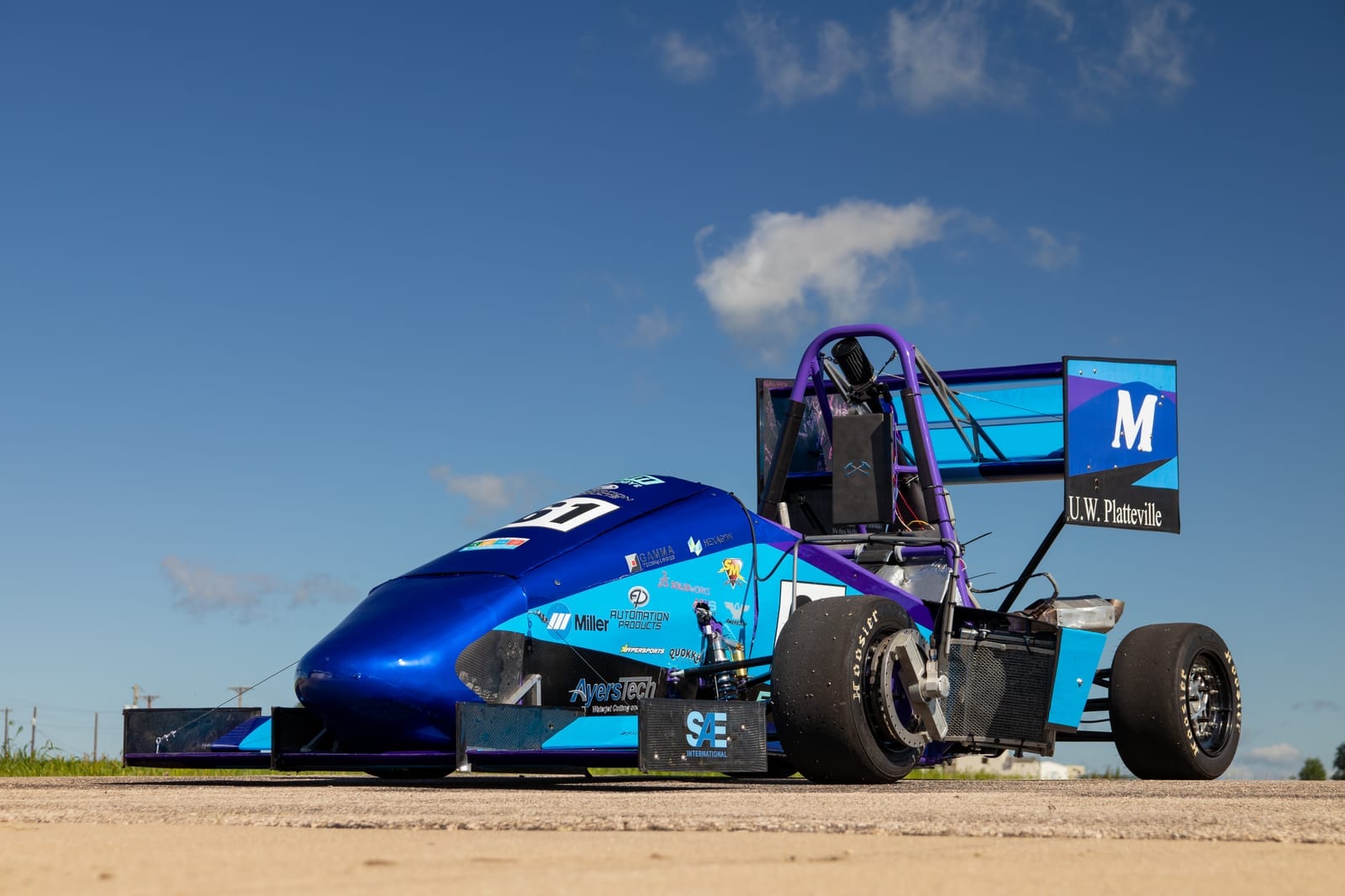
Motorsport · DMLS
Pioneer Racing designed the PR26 structural dry-sump oil pan for DMLS from the start, cutting weight 37% versus PR25 and 57% versus the original machined concept, while holding a factor of safety above five. The lighter pan helped the team to its best Formula SAE Michigan finish in program history.
Read the Case Study →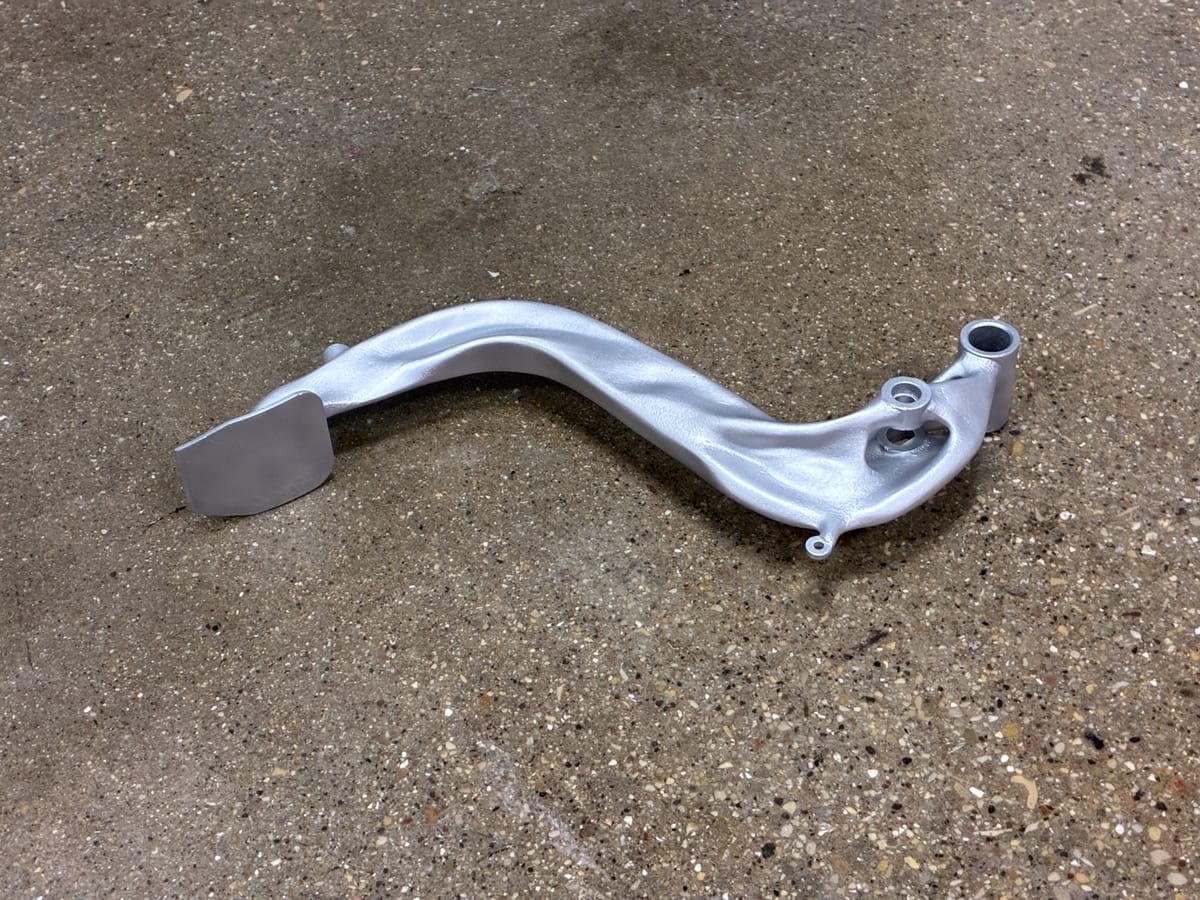
Motorsport · DMLS
Josiah Fallaise of FDF Raceshop designs his own performance parts with generative design, then needed a manufacturer who could print them in metal without cutting corners. Evology printed his hydraulic handbrake and BMW E46 clutch pedal in AlSi10Mg on an EOS M 290, North American made, structurally sound, and detailed enough to show every decision the software made.
Read the Case Study →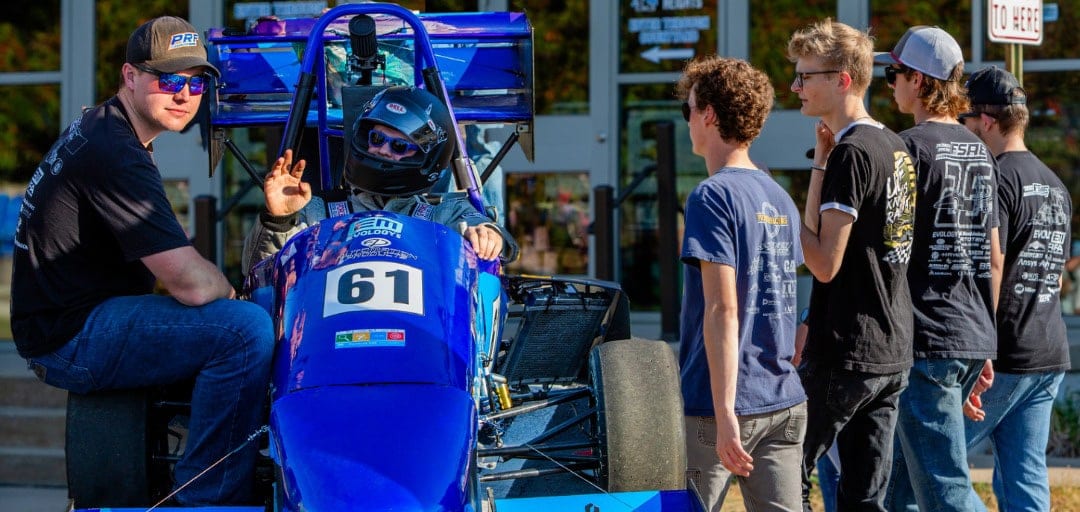
Motorsport · DMLS
For their 2024-2025 season, Pioneer Racing reimagined the PR25 powertrain as part of the chassis. The result was a DMLS oil pan that ties the engine to the rear plates, enables a dry sump system, and could not be machined conventionally.
Read the Case Study →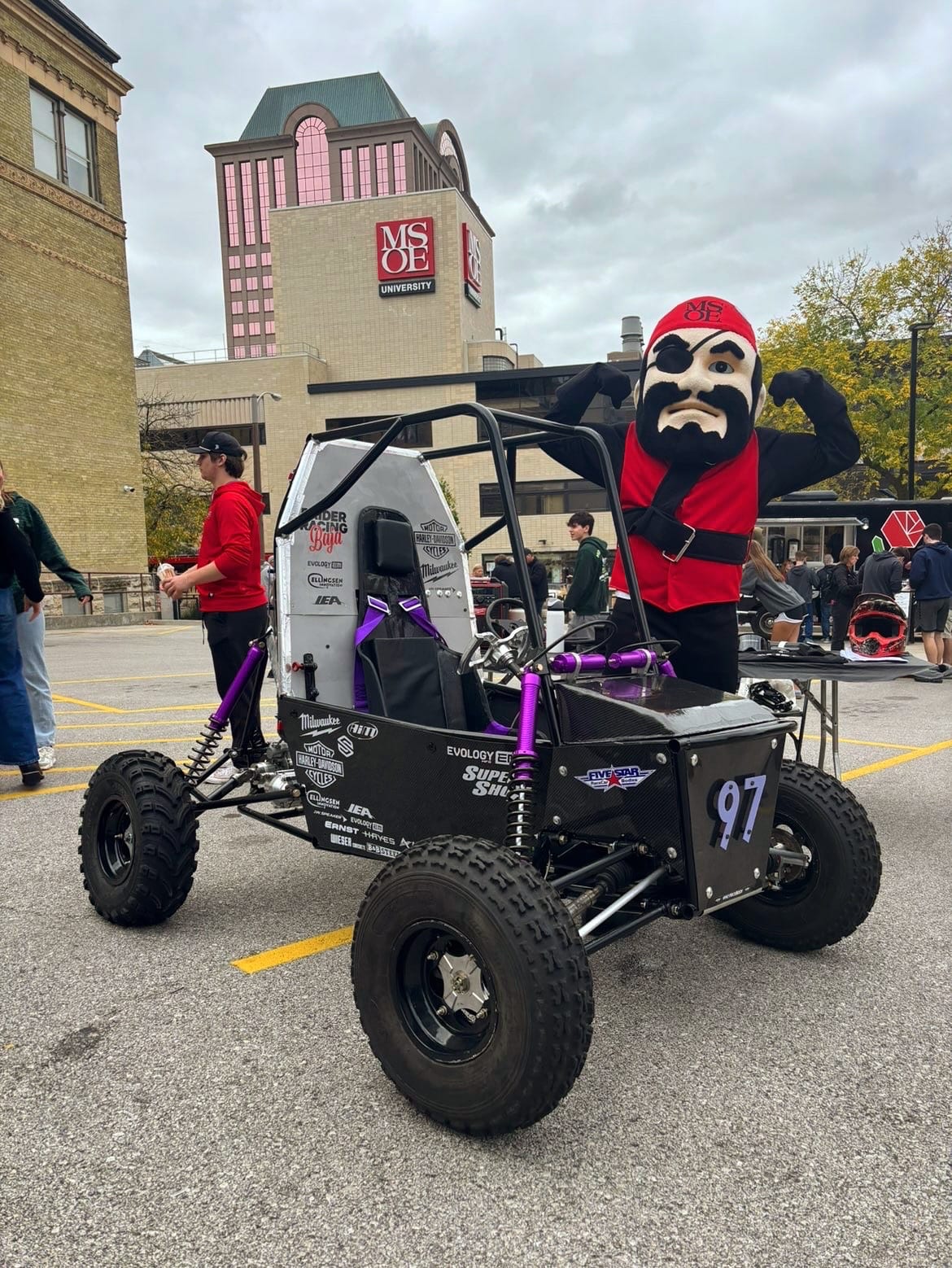
Motorsport · DMLS
MSOE's Raider Racing Baja team redesigned their rear suspension knuckle with DMLS. The new part cut weight, improved structural integrity, and sharpened suspension performance, all on a tight pre-race timeline.
Read the Case Study →